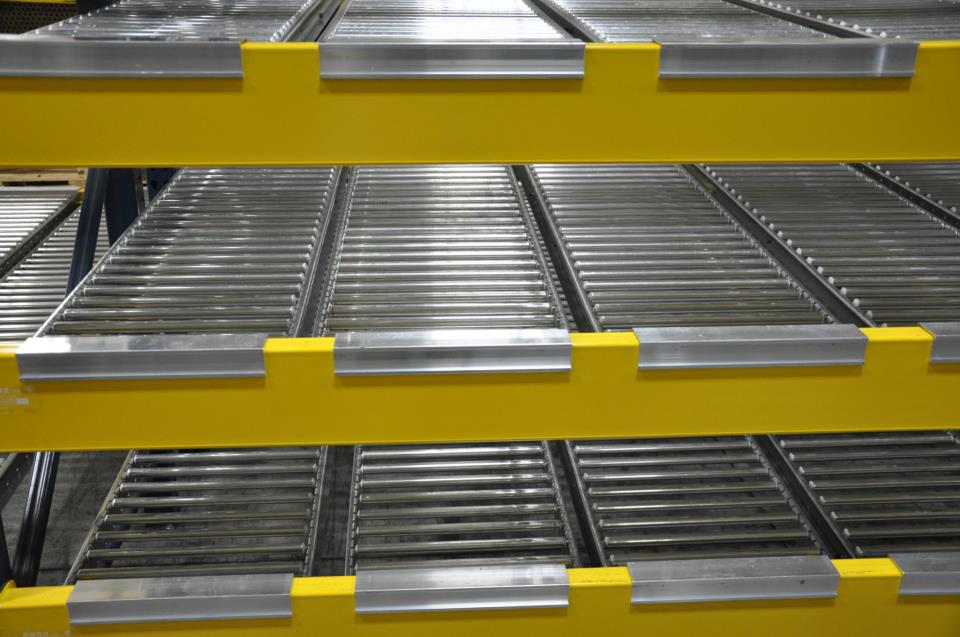
Carton Flow Rack in Cascade, MI
Carton flow rack in Cascade organizes case and tote selection around a forward-facing picking position, with replenishment handled behind the rack. Inclined rollers move supported containers toward the operator as stock is removed. Keeping loading and picking on opposite sides supports FIFO handling and separates two activities that otherwise compete for aisle space.
For consumer-products distribution or aviation-parts supply, the useful arrangement depends on package behavior and order patterns. We review container dimensions, underside shape, loaded weight, and selection frequency before assigning lanes. The resulting plan connects the pick module to reserve inventory, packing work, and the space available inside the building.
How Carton Flow Racking Presents Each Container
Gravity provides movement, but package support and lane setup determine whether that movement stays consistent. Review a representative mix rather than only the easiest carton. A lane must advance its last container as well as hold a replenished queue without losing alignment at the picking face.
Assess the base
Identify carton seams, flexible bottoms, and tote runners that influence contact with rollers throughout the length of the lane.
Establish the pitch
Set the incline using actual packages, checking forward travel and how containers settle against the front retaining stop.
Separate each SKU
Use dividers and appropriate lane widths to guide containers while keeping labels and picking openings accessible to operators.
Confirm replenishment
Walk the rear loading route with the intended handling method, including the turn from reserve storage into the replenishment aisle.
Fit Case Flow Rack Into the Pick Module
Locate frequent selections where operators can see and reach them comfortably. Upper and lower levels may hold less frequent picks, subject to package weight and the handling task. Include room for scanners, order totes, and the movement between selection and packing rather than treating rack frontage as the entire workstation.
Retrofitting a pallet bay requires more than selecting a flow shelf with a similar width. Check the existing rack arrangement, component fit, intended loads, and available rear access. If reserve pallets remain above, their relationship to the lower picking levels belongs in the same layout review.
We coordinate installation work areas and schedule experienced installation crews, with management of the agreed sequence remaining part of our service. A division of Warehouse Equipment & Supplies Co., our business has been supplying and installing warehouse storage since 1997. Package travel checks help confirm the final lane settings.
A Cascade picking area may handle cartons and reusable totes in the same shift. Identify which containers need flat support and which can roll on separated tracks. Specify dividers that remain adjustable when product sizes change. Ask vendors to state usable lane width, not merely overall frame width. That distinction helps preserve usable space and predictable carton travel.
Why Carton Flow Rack Supports Consistent Selection
When every active SKU has a visible front position, pickers spend less effort searching behind partially emptied shelves. Advancing stock can support order-picking speed, especially where many orders revisit the same products. The benefit depends on thoughtful slotting and replenishment, not simply adding more lanes.
Rear loading maintains the intended sequence of receipts while front removal exposes the next container. This supports FIFO stock movement, but it does not replace lot identification or product controls. Establish lane assignments and loading routines that match the traceability practices already used by the operation.

Plan the Airport-Area Receiving Connection
Aviation suppliers and consumer-products tenants using Patterson Avenue South and 28th Street East need a clear relationship between incoming freight and forward picking stock. In an airport-area warehouse, identify where received cartons are sorted before replenishment. Keep that staging decision visible in the layout and agree on installation access around the receiving workflow.
Recent Installations
Racking projects completed for warehouses across West Michigan.


Outline the Path From Receipt to Pick
Bring a floor sketch and representative package information. We will discuss forward inventory, lane assignments, retrofit possibilities, and how installers can access the proposed work area. (616) 344-5683.
Grand Rapids Pallet Rack
5355 Northland Dr. NE
Ste C #3102
Grand Rapids, MI 49525
(616) 344-5683Monday - Friday: 8:00 AM - 6:00 PM
Buyer Decisions to Resolve First
Rack Systems & Warehouse Services in Cascade
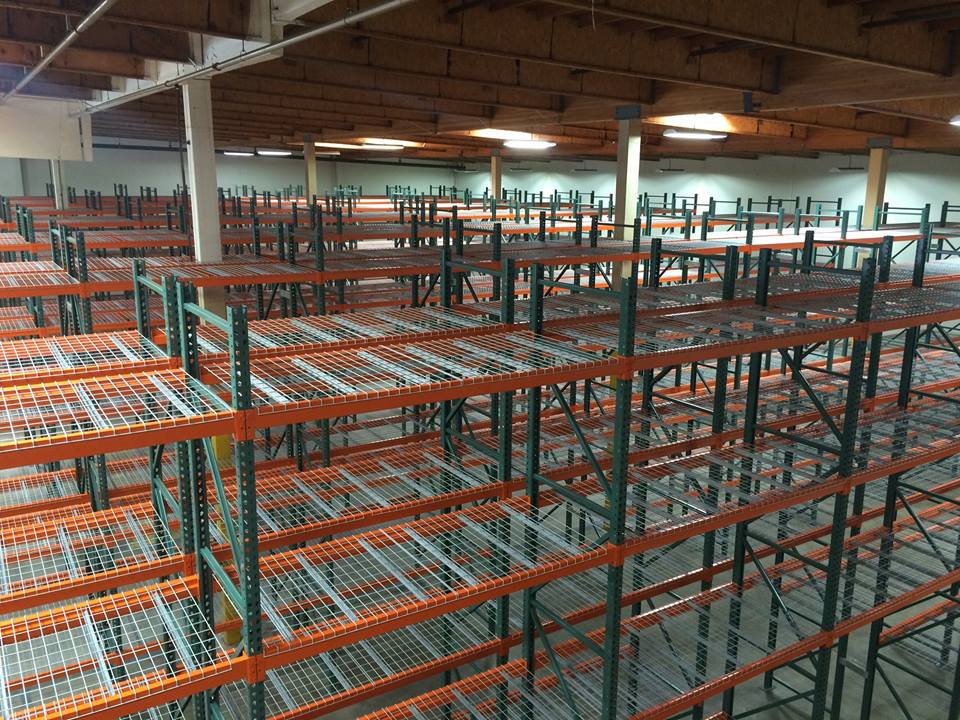
Pallet Rack
Every pallet reachable, every time. The baseline we size everything else against.
View details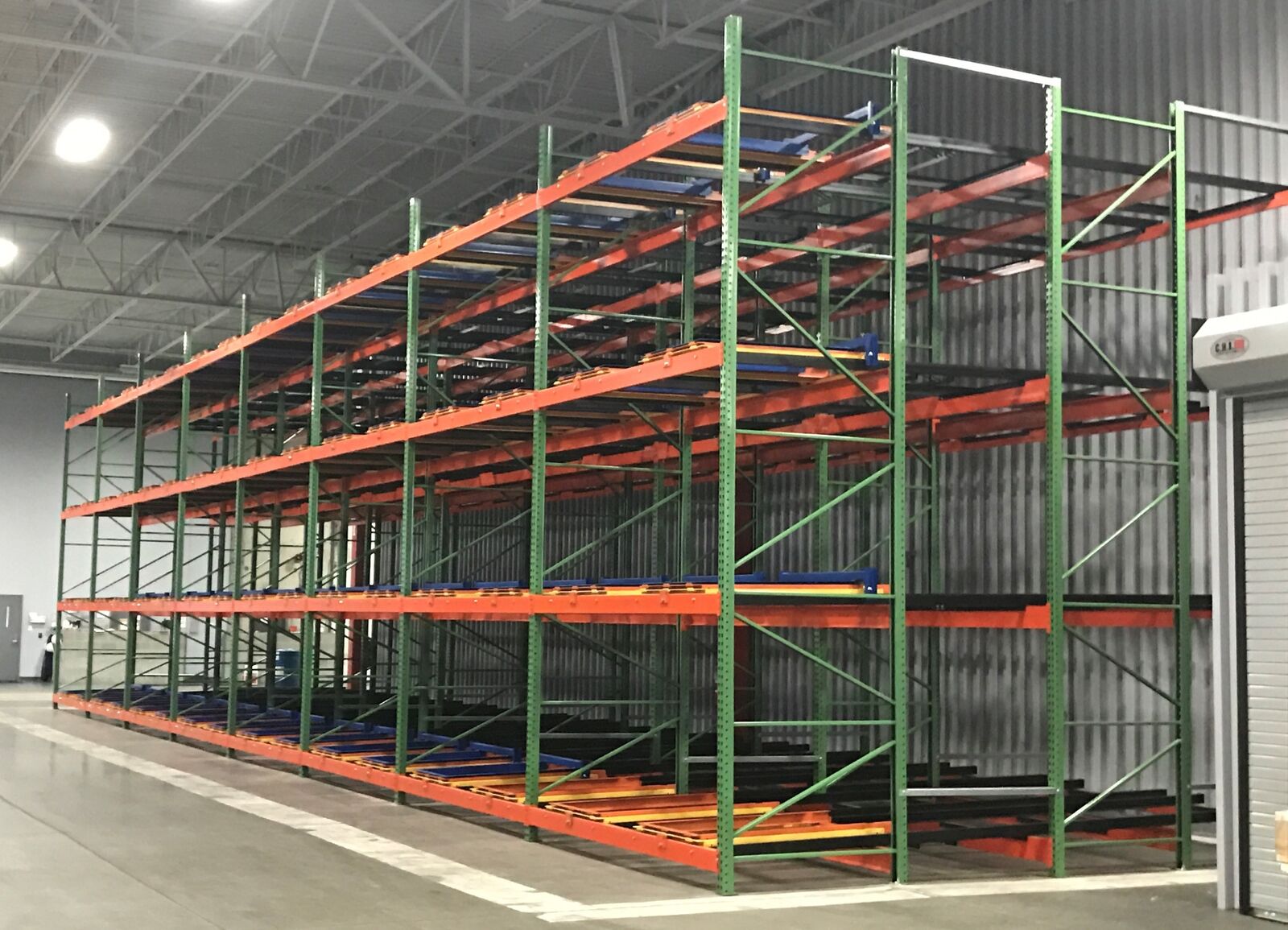
Pushback Rack
Two to six pallets deep from one aisle, without giving up much reach.
View details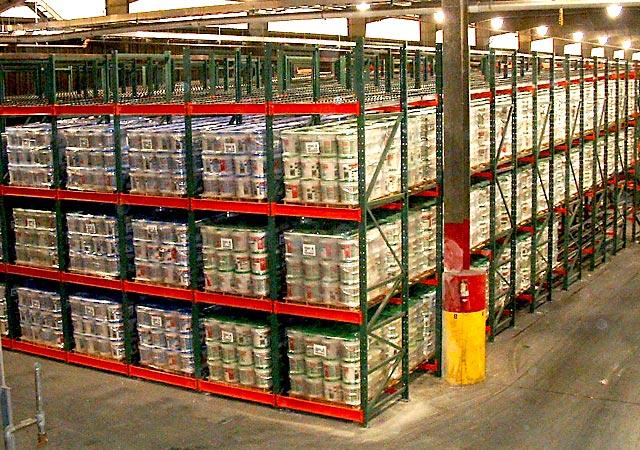
Pallet Flow Rack
Load one side, pick the other, and let gravity enforce first in, first out.
View details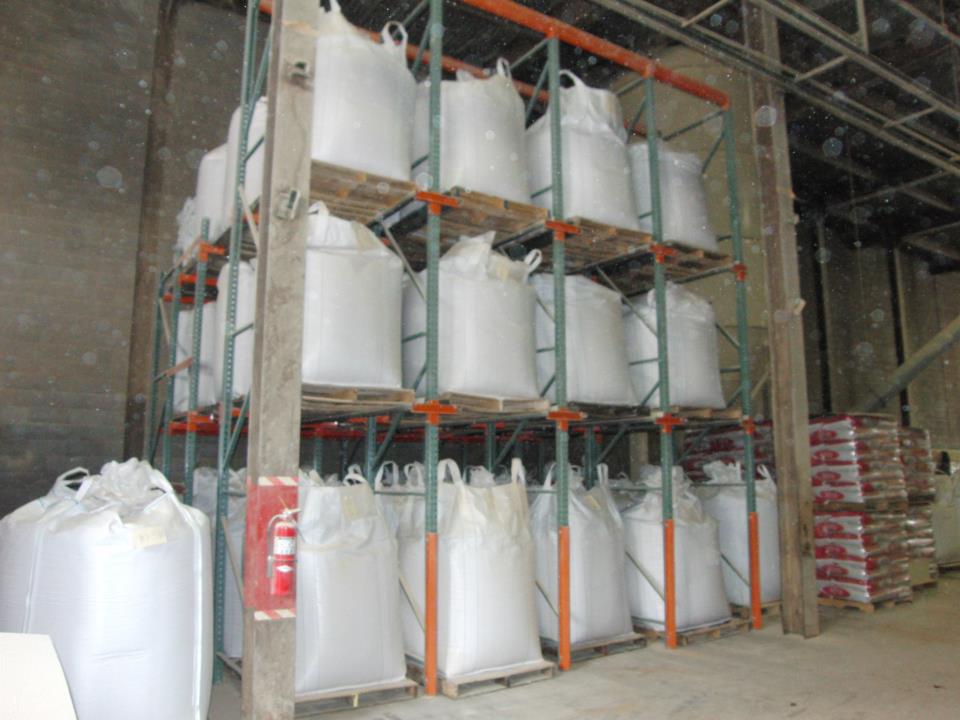
Drive-In Rack
No aisles. The forklift enters the structure, and the floor holds more pallets per square foot than any other system.
View details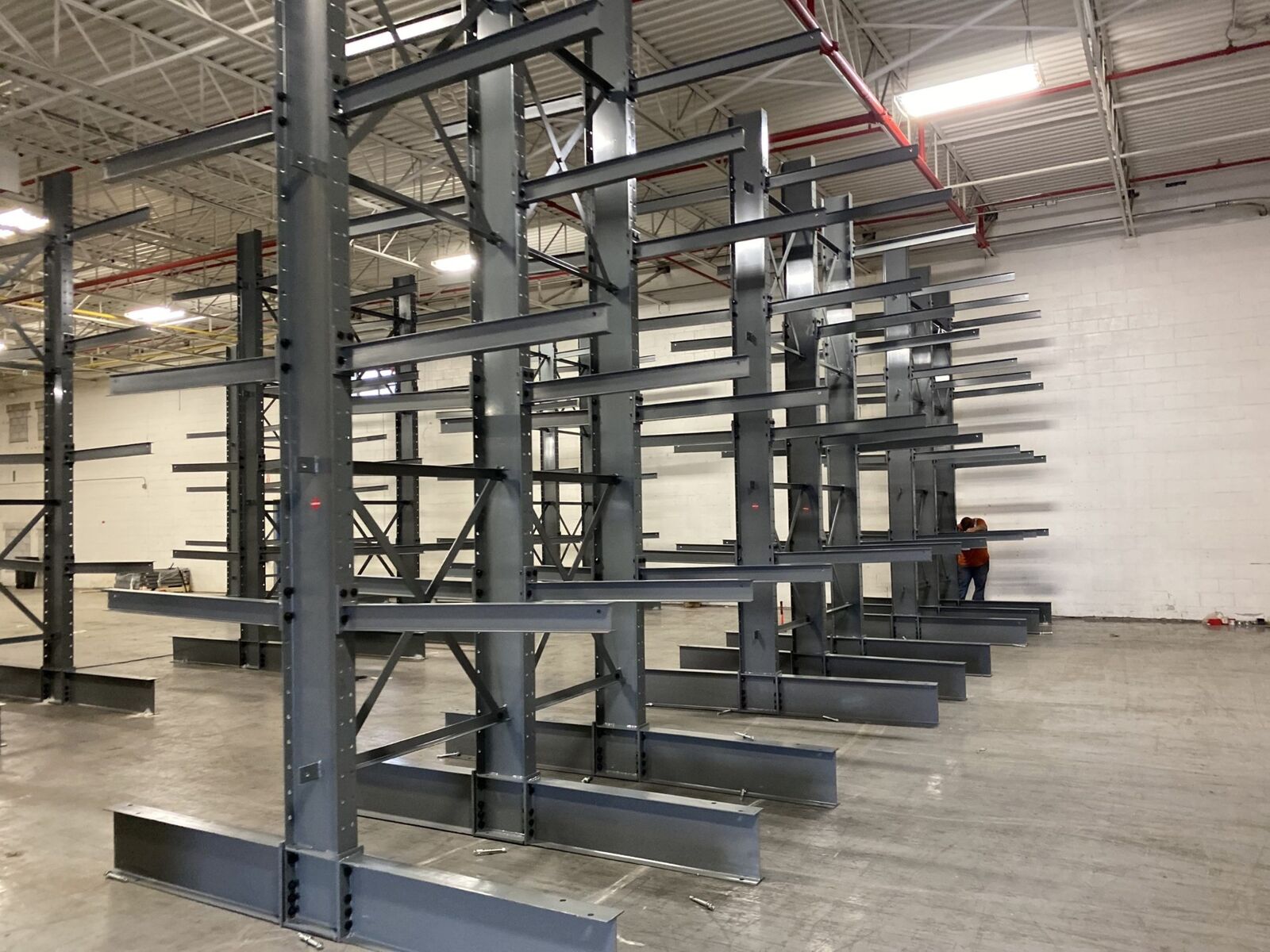
Cantilever Rack
Arms with nothing in front of them, built for lumber, pipe, and anything a pallet can't hold.
View details
Warehouse Relocation
Tear down, label, transfer and reinstall warehouse rack with a plan for the next building.
View detailsNearby Areas We Also Serve
Our delivery and installation territory covers West Michigan, so one team can handle multiple buildings for the same company.
Where We Work
Located in Grand Rapids, we serve the entire West Michigan market with industrial pallet racks and warehouse storage solutions.
Grand Rapids Pallet Rack
Address
5355 Northland Dr. NE
Ste C #3102
Grand Rapids, MI 49525
Phone
(616) 344-5683Business Hours
Monday - Friday: 8:00 AM - 6:00 PM
Saturday: Closed
Sunday: Closed
Need Carton Flow Rack in Cascade?
Call (616) 344-5683 or request a quote and we will get a layout started.