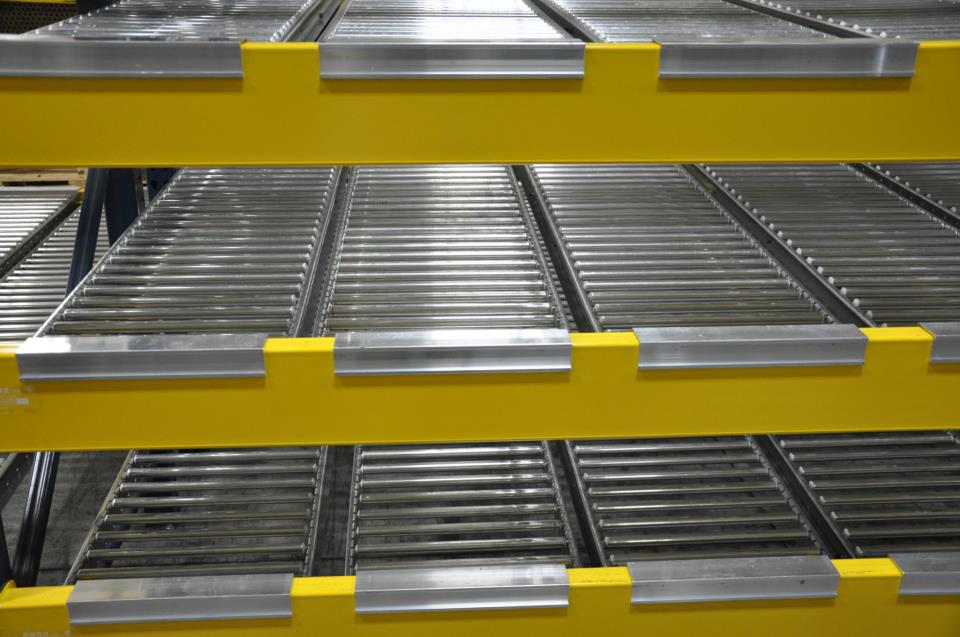
Carton Flow Rack in Byron Center, MI
Carton flow rack in Byron Center brings cases and totes toward a fixed picking position on inclined rollers, helping teams spend less time reaching into shelves. Loading from the rear and picking from the front supports FIFO movement while keeping replenishment activity separate from the working face.
For a food processor or automotive aftermarket operation, the starting point is the package rather than the pallet. Carton dimensions, bottom condition, weight, and daily demand determine lane arrangements. We plan active picking levels, reserve storage relationships, and access around the bay so the installation fits the work already moving through your building.
Why Carton Flow Racking Fits Repeated Case Picks
A replenished lane presents the next container as the leading one leaves. That consistent presentation can support order-picking speed by reducing searches and repeated shelf facing. Dedicated SKU positions also make shortages easier to spot, provided labels remain visible and replenishment follows the assigned lane map.
FIFO depends on loading new cases behind earlier receipts rather than adding them at the picking end. Separate rear access makes that routine practical. Lane depth should reflect consumption between replenishment visits, not simply the largest quantity that will fit inside an available rack bay.

Coordinate the Picking Area With Dock Activity
For buildings serving M-6 and the 84th Street industrial corridor, receiving access deserves attention alongside the rack layout. A food-processing stockroom may need frequent ingredient-case replenishment while outbound trucks are staged nearby. Establish material placement and crew access before installation so the proposed picking area does not become temporary dock storage.
How Case Flow Rack Lanes Are Set Up
We translate a representative carton list into picking levels and lane assignments, then check how the arrangement works within a pick module. The aim is a reachable selection face with replenishment access that does not consume the space needed for carts, containers, or outbound order handling.
Check package contact
Review case bottoms and tote runners against roller spacing so containers have suitable support throughout their travel.
Set lane boundaries
Choose lane widths and dividers around actual package dimensions, leaving clearance without encouraging cartons to turn sideways.
Balance forward movement
Adjust the incline with representative loads, checking that both light and heavier containers advance to the front stop.
Assign the picking face
Place frequent selections at accessible levels and identify each lane so replenishment returns every SKU to its intended position.
Planning a Carton Flow Rack Bay Retrofit
Existing pallet bays may accept flow levels after the rack dimensions, component compatibility, and intended loads are reviewed. Record beam spacing, usable depth, and any reserve pallets above before selecting tracks. A retrofit must accommodate the complete storage arrangement, not just the cartons at its front.
Pick-module planning also addresses what happens after selection. Leave working room for order totes and scanning, and trace the replenishment path from reserve storage to the rear loading face. Deep lanes offer more forward inventory but require a replenishment method that can reach their loading ends.
Before handover, run actual containers through representative lanes and review stops, divider positions, and SKU labels with operators. We schedule and manage experienced installation crews around the agreed work areas. As a division of Warehouse Equipment & Supplies Co., we have been supplying and installing storage systems since 1997.
For Byron Center operations, gather replenishment frequency alongside order volume. Deep lanes reduce restocking trips, yet excessive depth can leave slow stock waiting. Estimate daily picks by item, then compare that figure with available carton positions. Include a clear rear approach for replenishment equipment. These figures help buyers size each lane around actual turnover instead of guesswork.
Recent Installations
Racking projects completed for warehouses across West Michigan.


Bring Your Carton List to the Layout Discussion
Share package sizes, weights, pick frequency, and a bay sketch. We can discuss lane depth, replenishment access, and an itemized arrangement before you select equipment. (616) 344-5683.
Grand Rapids Pallet Rack
5355 Northland Dr. NE
Ste C #3102
Grand Rapids, MI 49525
(616) 344-5683Monday - Friday: 8:00 AM - 6:00 PM
Questions Before Ordering
Rack Systems & Warehouse Services in Byron Center
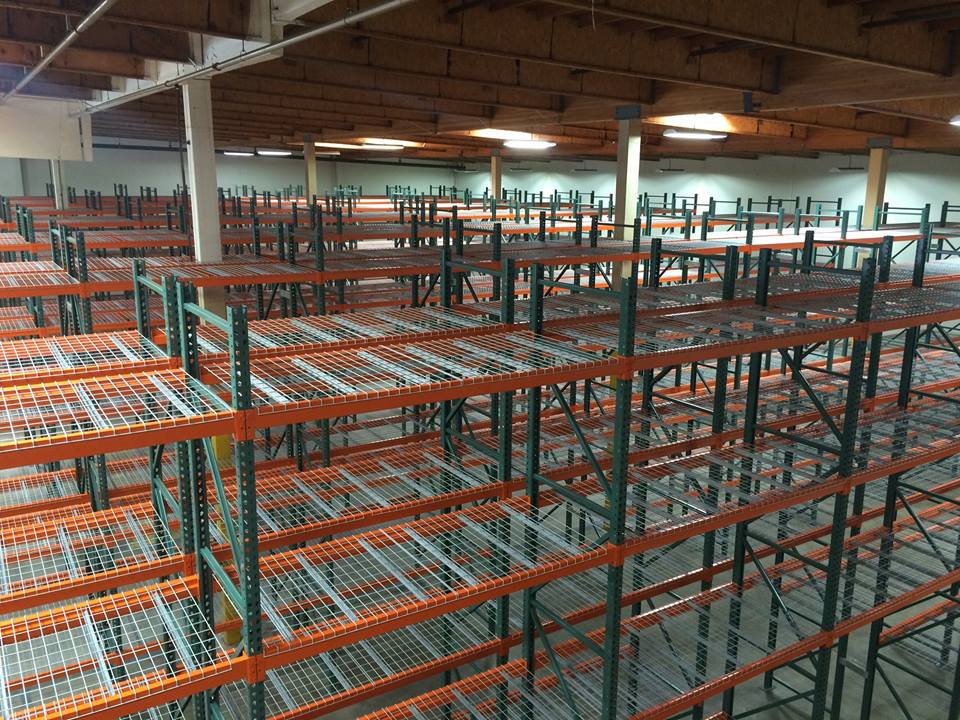
Pallet Rack
Every pallet reachable, every time. The baseline we size everything else against.
View details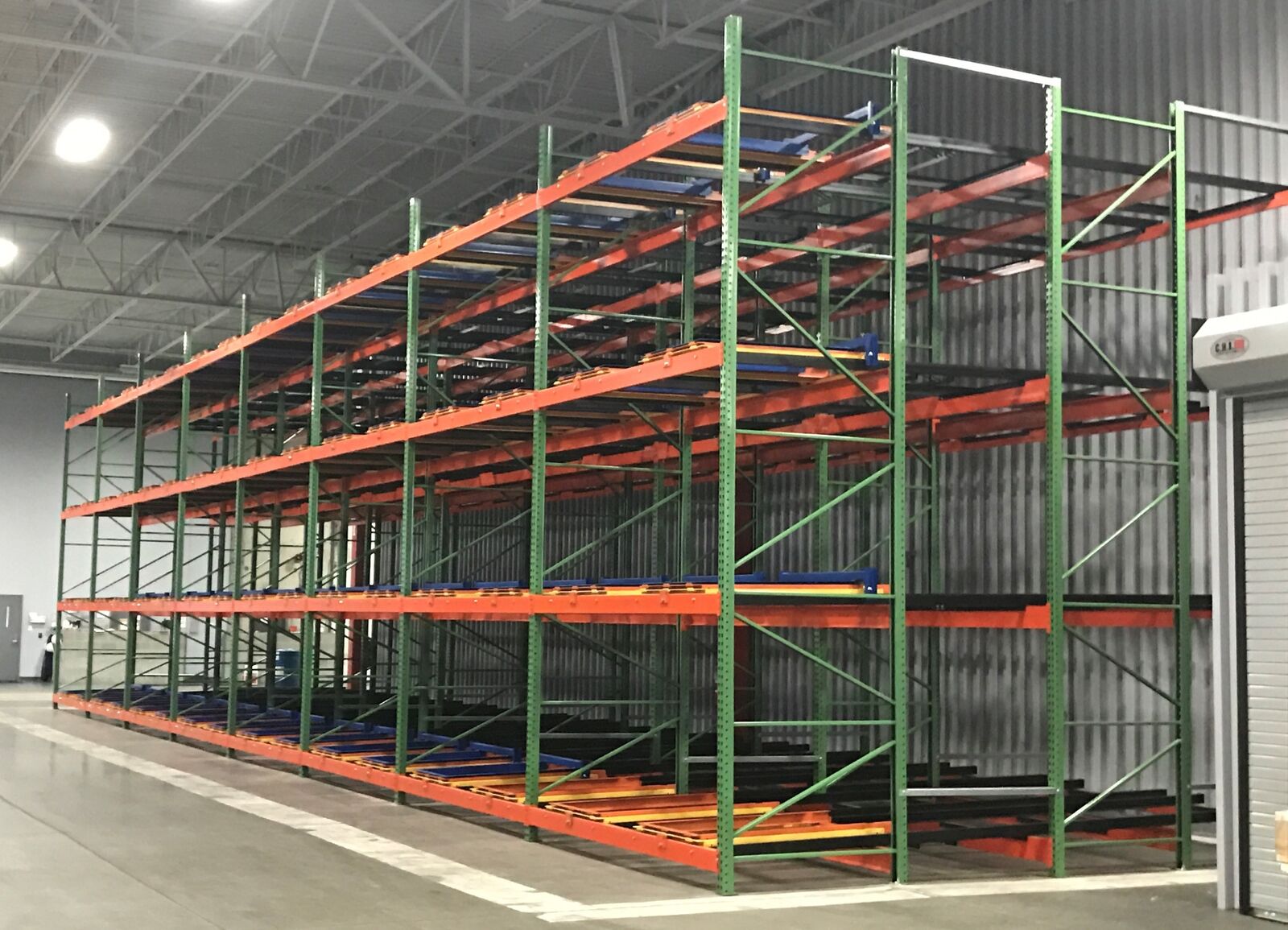
Pushback Rack
Two to six pallets deep from one aisle, without giving up much reach.
View details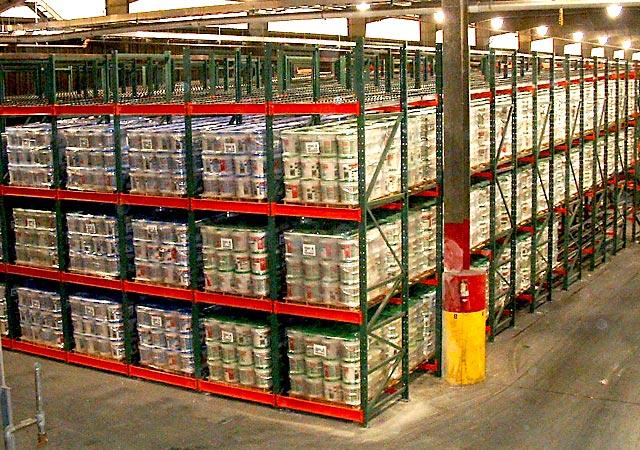
Pallet Flow Rack
Load one side, pick the other, and let gravity enforce first in, first out.
View details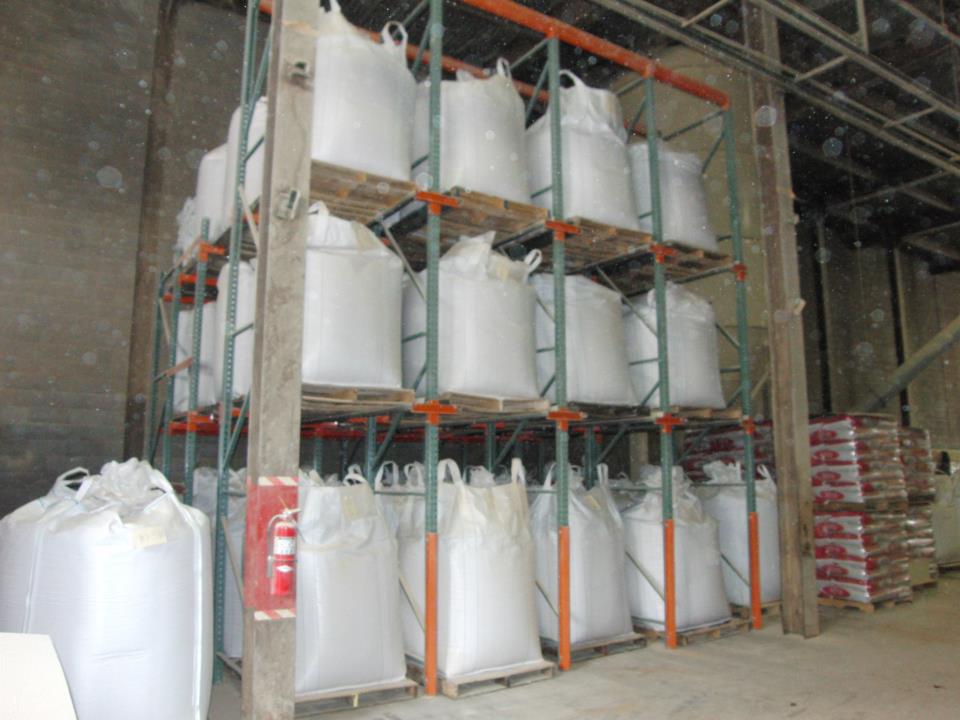
Drive-In Rack
No aisles. The forklift enters the structure, and the floor holds more pallets per square foot than any other system.
View details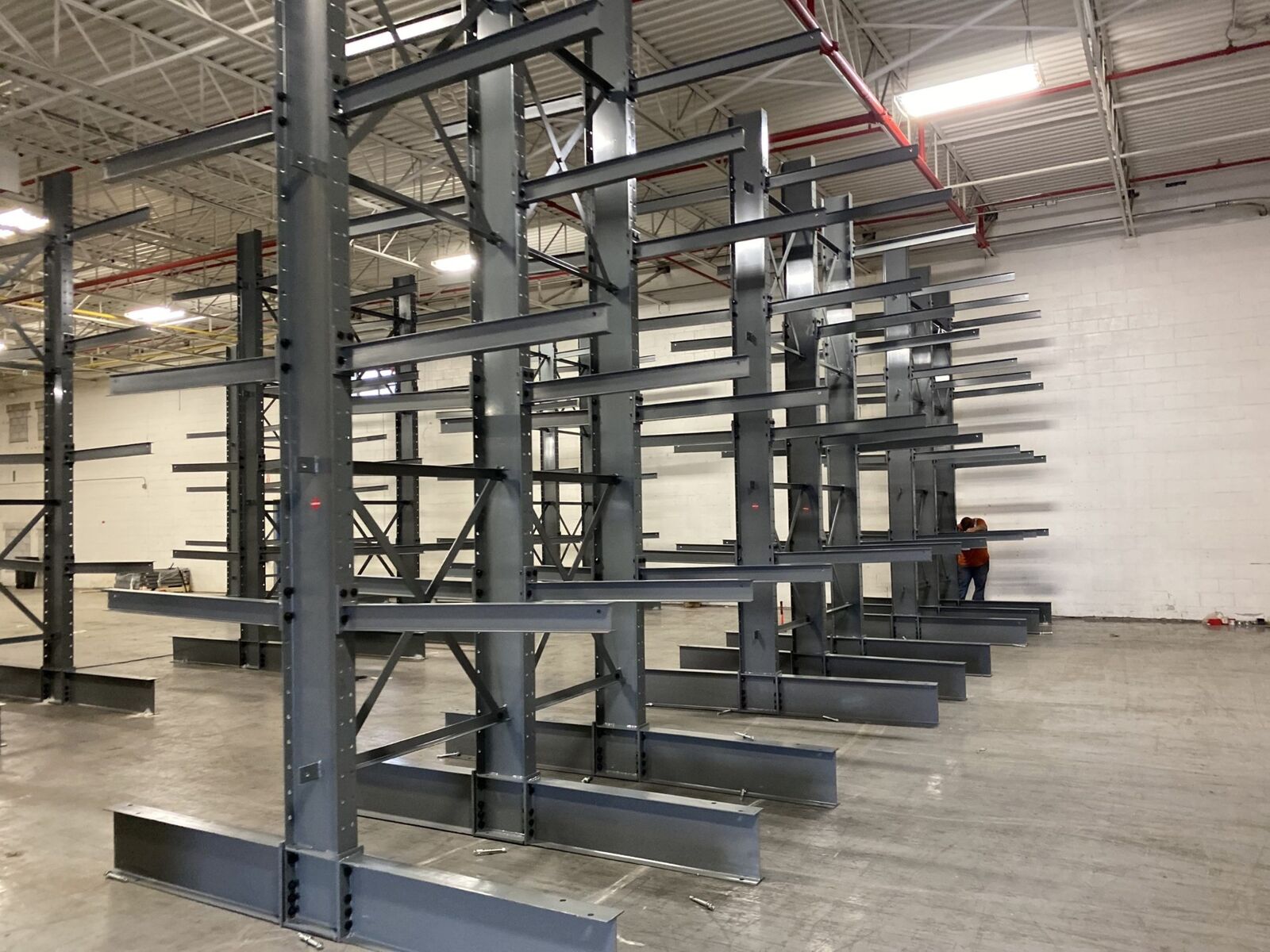
Cantilever Rack
Arms with nothing in front of them, built for lumber, pipe, and anything a pallet can't hold.
View details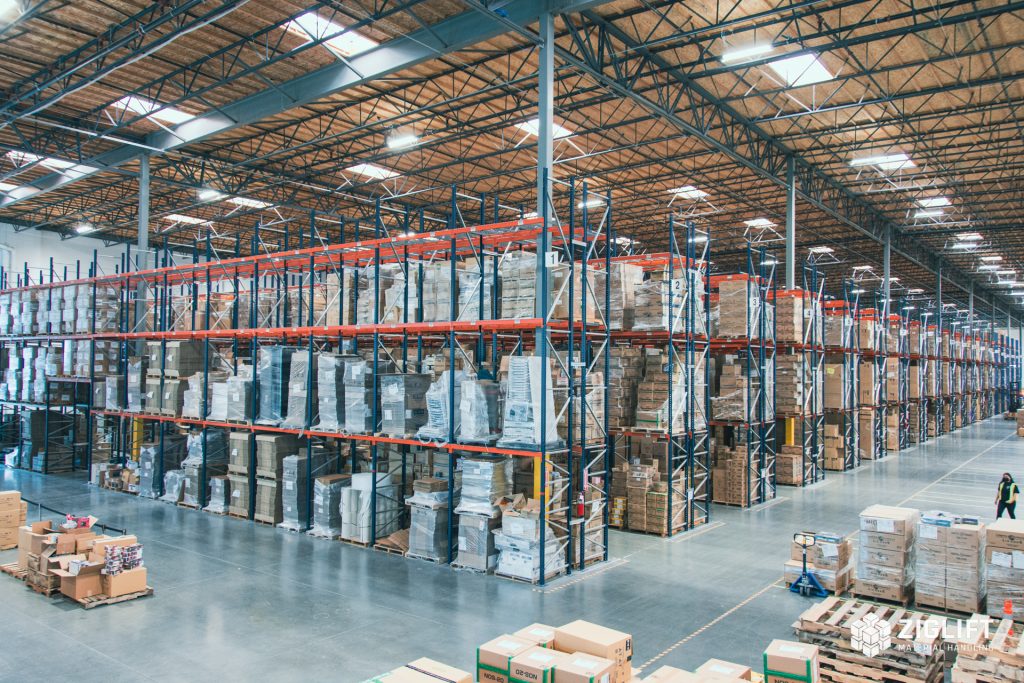
Warehouse Relocation
Tear down, label, transfer and reinstall warehouse rack with a plan for the next building.
View detailsNearby Areas We Also Serve
Our delivery and installation territory covers West Michigan, so one team can handle multiple buildings for the same company.
Where We Work
Located in Grand Rapids, we serve the entire West Michigan market with industrial pallet racks and warehouse storage solutions.
Grand Rapids Pallet Rack
Address
5355 Northland Dr. NE
Ste C #3102
Grand Rapids, MI 49525
Phone
(616) 344-5683Business Hours
Monday - Friday: 8:00 AM - 6:00 PM
Saturday: Closed
Sunday: Closed
Need Carton Flow Rack in Byron Center?
Call (616) 344-5683 or request a quote and we will get a layout started.