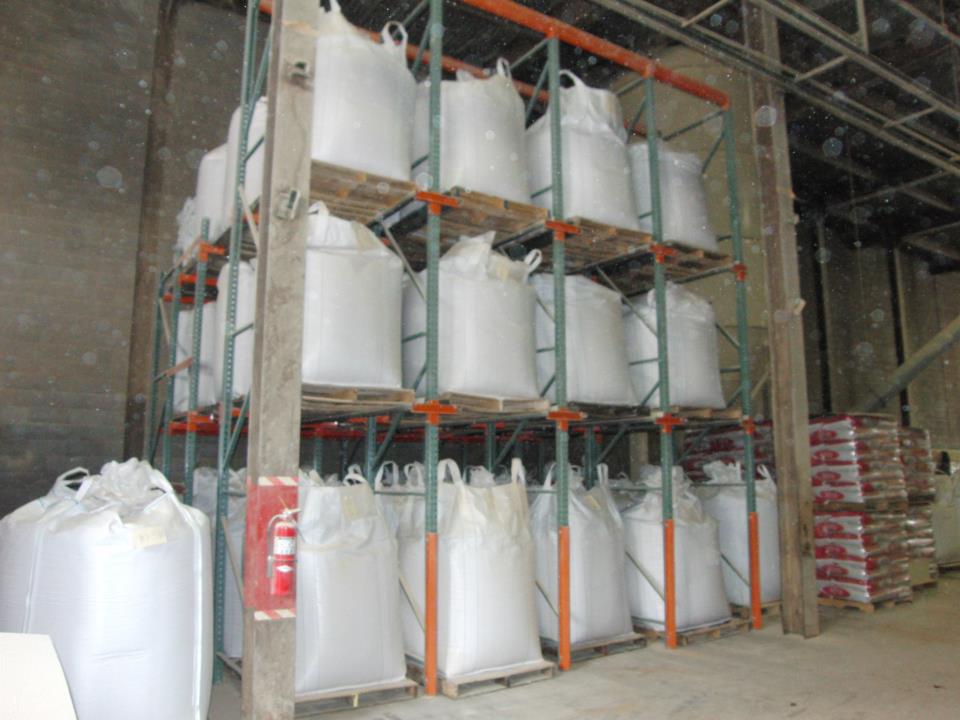
Drive-In Rack in Wyoming, MI
Drive-in rack gives Wyoming warehouses a way to evaluate storage depth when adding height is not the main opportunity. In older lower manufacturing buildings, a concentrated pallet block may fit reserve inventory, provided columns, approach aisles, and forklift movement leave enough usable space.
Automotive aftermarket and light manufacturing stock often includes both repetitive pallet loads and items needing separate access. Those groups should not be forced into the same arrangement. Grand Rapids Pallet Rack serves as a division of Warehouse Equipment & Supplies Co., with supplying and installing experience reaching back to 1997. We distinguish reserve capacity from everyday retrieval needs.
Test the Footprint Before Adding Depth
Measure the existing room
Locate columns, doors, overhead obstructions, and active work areas. Lower clear heights can limit rail levels, making the usable floor arrangement especially important to the storage decision.
Identify repeated pallet groups
Separate high-quantity matching stock from small mixed batches. A few SKUs with many pallets can fill lanes; scattered quantities may need too many separate access faces.
Check entry and placement
Forklifts enter on the floor and place pallets onto support rails. Review the complete loaded truck envelope, rail spacing, and guide dimensions before committing to a lane opening.
Account for withdrawal order
Single-entry storage follows LIFO, putting the most recently loaded pallet first in line for removal. Choose lane assignments that accommodate that sequence without routine relocation of unrelated stock.
When Drive-In Rack Fits a Lower Building
A lower roof does not rule out deep-lane storage, but it changes the comparison. With fewer possible levels, the usefulness of each lane depends heavily on how consistently matching inventory occupies its depth. Automotive aftermarket reserves and repeated manufacturing inputs can fit when batches remain together and the withdrawal order is predictable. Mixed service parts generally need more direct access than a deep reserve lane provides.
Reducing aisles inside a block may free footprint for stored pallets, yet the entrance still needs a working approach. Existing columns can interrupt lane runs or turning paths in older buildings. We assess net usable positions rather than treating the entire rectangle as storage. Sometimes shorter lanes beside selective positions suit the product mix better than one deep block occupying most of the room.

Wyoming Industrial Footprints in Context
Near Clyde Park Ave industrial properties, 44th Street, US-131, and M-6, older lower manufacturing buildings call for measured layouts. Column spacing and shared production routes can determine whether a deep reserve block fits without taking away essential material handling space.
Drive-In Pallet Rack Within Existing Constraints
Start with loaded pallet dimensions, maximum weights, and underside construction. Pallets need appropriate bearing on the support rails, including consistent orientation and sound contact surfaces. The forklift does not drive on these rails. Its body and mast must pass through the lane while the forks lift each load clear for placement or retrieval. Overhang and wrapping belong in those clearance calculations.
In a lower building, rail elevations need careful coordination with load height and overhead obstructions. Truck capability at the proposed elevation remains a separate check. Guide profiles and spacing must match wheel paths and underbody clearance; protection at lane entrances must not obstruct the required passage. Lane depth is then compared with routine batch quantities rather than simply extended to the nearest wall.
Rotation can change the preferred system. Drive-thru racking supports FIFO through opposite-end loading and withdrawal, but the second aisle consumes footprint. Pallet flow also provides FIFO handling using moving loads, while pushback offers LIFO storage without truck entry. We show those access tradeoffs against the available room. Experienced installation crews we schedule and manage receive defined work zones and staging arrangements so the storage change can be coordinated with ongoing manufacturing movements.
Recent Installations
Racking projects completed for warehouses across West Michigan.


Plan Your Wyoming Storage Arrangement
Bring a building sketch with clear heights and column locations, plus representative pallet information. A Free Design Consultation compares lane depth, approach space, and alternatives for your existing manufacturing or storage area. (616) 344-5683.
Grand Rapids Pallet Rack
5355 Northland Dr. NE
Ste C #3102
Grand Rapids, MI 49525
(616) 344-5683Monday - Friday: 8:00 AM - 6:00 PM
Wyoming Drive-In Rack Buyer Questions
Rack Systems & Warehouse Services in Wyoming
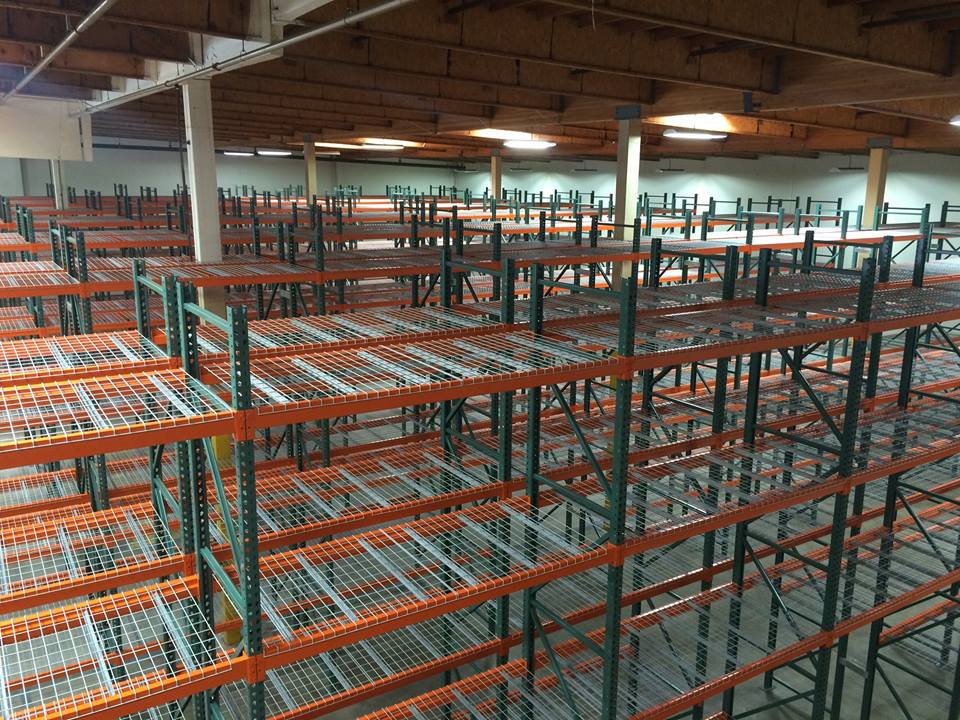
Pallet Rack
Every pallet reachable, every time. The baseline we size everything else against.
View details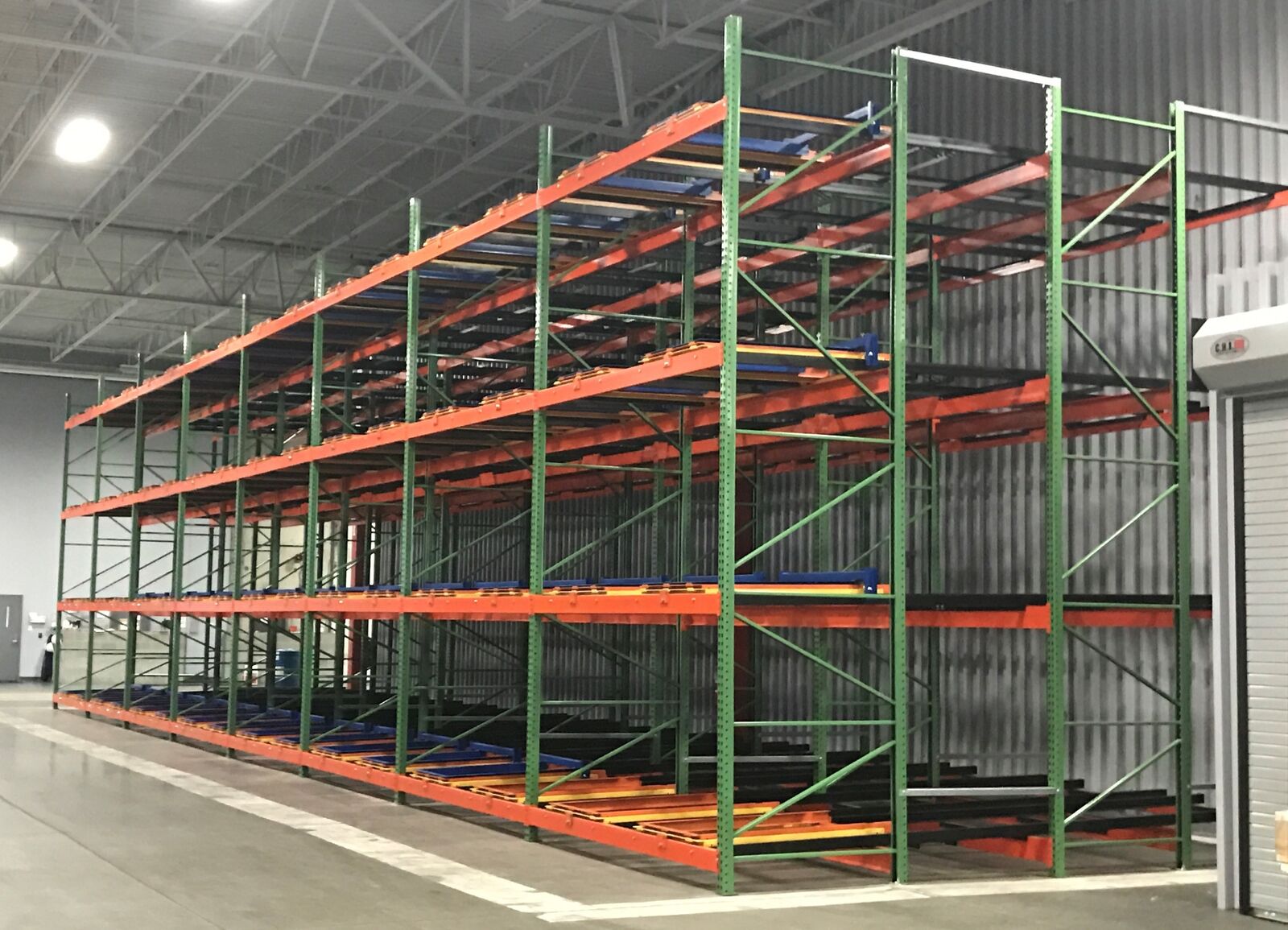
Pushback Rack
Two to six pallets deep from one aisle, without giving up much reach.
View details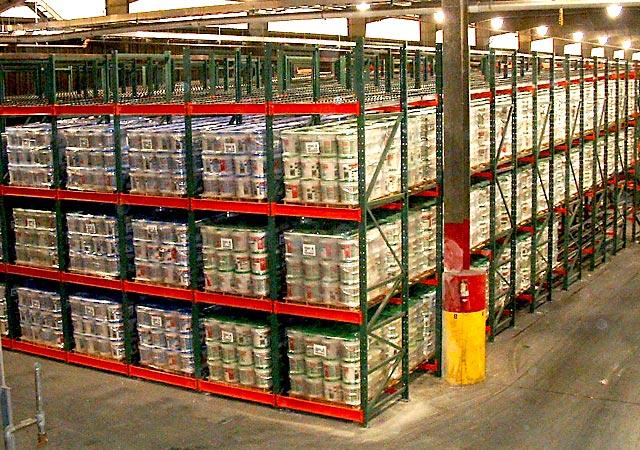
Pallet Flow Rack
Load one side, pick the other, and let gravity enforce first in, first out.
View details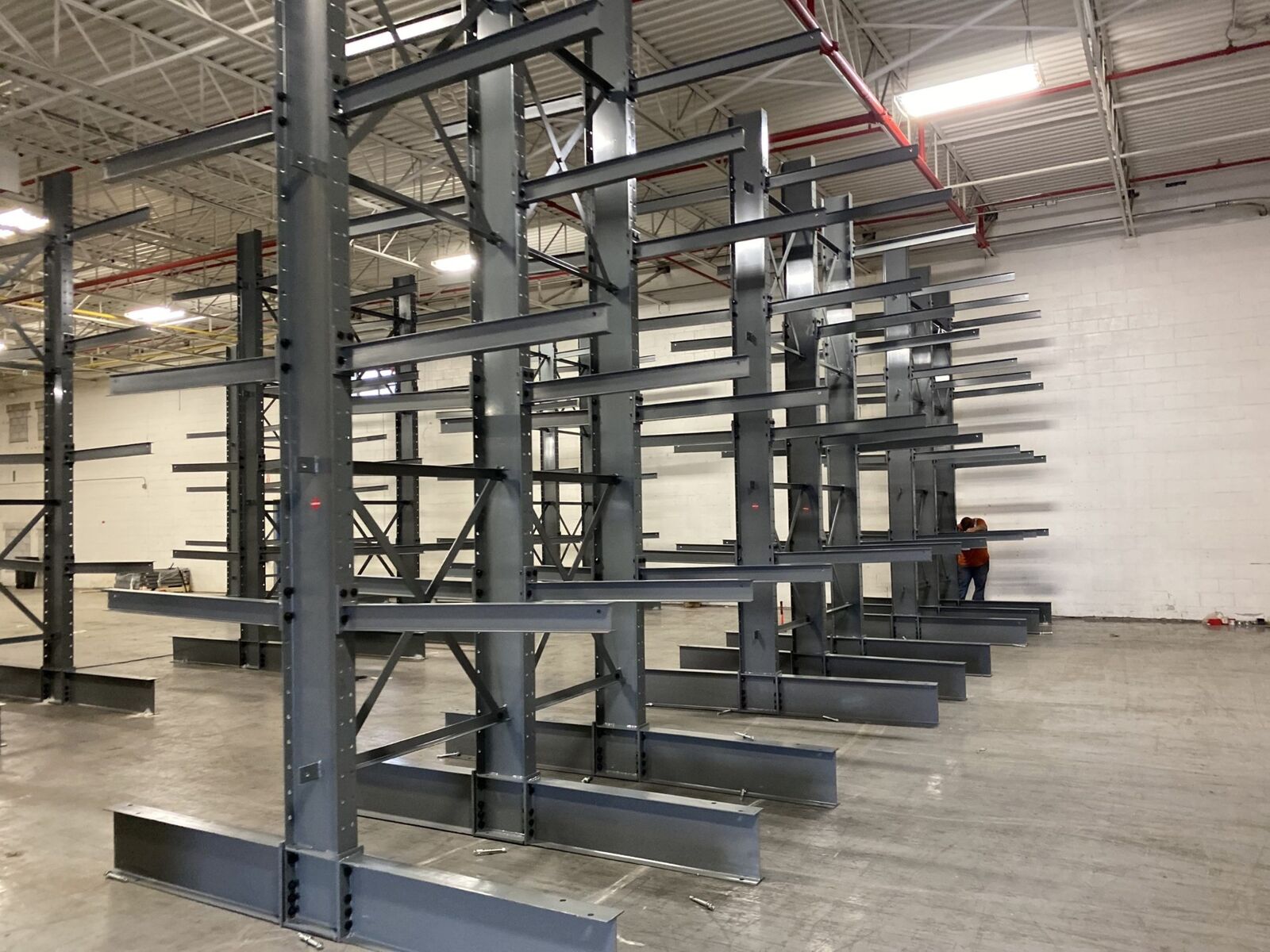
Cantilever Rack
Arms with nothing in front of them, built for lumber, pipe, and anything a pallet can't hold.
View details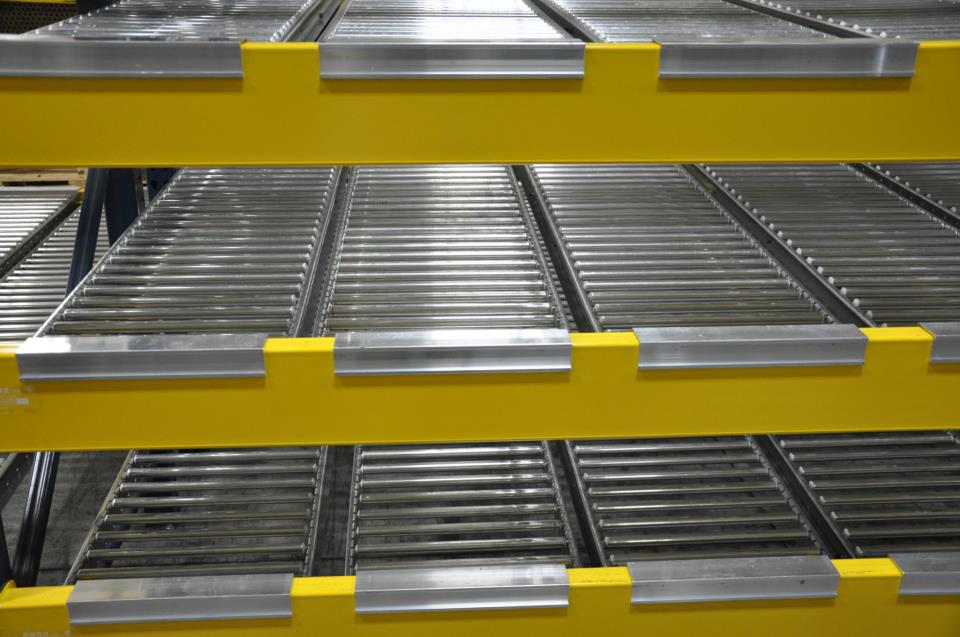
Carton Flow Rack
Cases advance to the picker instead of the picker hunting for cases.
View details
Warehouse Relocation
Tear down, label, transfer and reinstall warehouse rack with a plan for the next building.
View detailsNearby Areas We Also Serve
Our delivery and installation territory covers West Michigan, so one team can handle multiple buildings for the same company.
Where We Work
Located in Grand Rapids, we serve the entire West Michigan market with industrial pallet racks and warehouse storage solutions.
Grand Rapids Pallet Rack
Address
5355 Northland Dr. NE
Ste C #3102
Grand Rapids, MI 49525
Phone
(616) 344-5683Business Hours
Monday - Friday: 8:00 AM - 6:00 PM
Saturday: Closed
Sunday: Closed
Need Drive-In Rack in Wyoming?
Call (616) 344-5683 or request a quote and we will get a layout started.