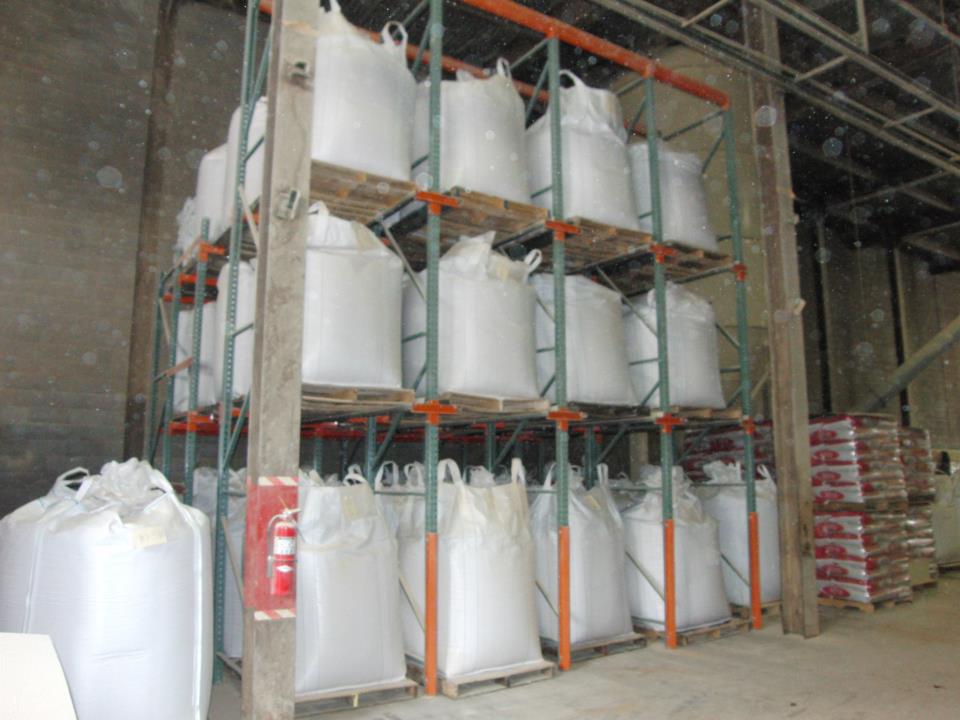
Drive-In Rack in Walker, MI
Drive-in rack in Walker can concentrate bulk reserves, but a dense block should not take over the floor area needed to move freight between docks and storage. For 3PL, food and beverage or building-product operations, the useful layout balances repeated pallet quantities against the traffic generated at each lane entrance.
A division of Warehouse Equipment & Supplies Co., Grand Rapids Pallet Rack draws on a business supplying and installing since 1997. We examine dock-to-reserve movement, loaded truck clearances and inventory rotation together, rather than treating available building height as a reason to add levels automatically.
Plan Drive-In Rack from the Dock Inward
Map incoming freight, checking space, outbound staging and the routes connecting them before placing reserve blocks. A deep layout can reduce internal aisles yet create congestion at its working face. We examine which loads enter storage immediately and which wait for checking or sorting. Separate the movement of matching bulk pallets from the mixed freight that needs more frequent selection or direct dispatch.
For newer taller buildings, usable storage height must be evaluated against the actual lifting equipment and loaded pallet dimensions. Truck capacity at elevation, mast clearance, pallet overhang and support-rail spacing belong in the review. Guide sizing also needs to match the truck geometry and lane entry. Adding a storage level is not simply a matter of extending a drawing upward; the whole configuration must suit the intended loads and handling movements.
A proposed arrangement shows lane depths, elevations, traffic aisles and the areas reserved for staging. We compare alternate blocks where a single large run would concentrate too much activity at one face. Defined work boundaries guide experienced installation crews we schedule and manage during the installation. Configuration records and capacity information accompany handover, giving your team a basis for reviewing later changes in tenants, pallet profiles or forklift equipment.
Four Decisions Inside the Reserve Block
Concentrate the right stock
Look for a few SKUs with many pallets, not simply high building occupancy. Reserve each lane for a compatible release group so density does not depend on repeatedly relocating unrelated loads.
Size the entry
A forklift rolls along the floor inside the lane to handle pallets. Its loaded approach, chassis and mast must clear the structure, with guide spacing and working aisle dimensions considered as one handling arrangement.
Check edge support
Pallets rest on support rails rather than a continuous shelf. Assess pallet construction, maximum weight and bearing overlap before specifying the rails, especially where different accounts bring different pallet formats.
Choose the release face
Drive-in uses one working face and LIFO retrieval. Drive-thru racking can provide FIFO through opposite faces, but only when the building allows both access aisles and the inventory process preserves that sequence.
Keep Drive-In Pallet Rack Separate from Cross-Dock Work
Bulk reserve and cross-dock freight have different needs. Reserve storage benefits from repeated loads that can wait in a predictable sequence. Freight intended for rapid transfer needs open access and clear destinations. Combining the two without a zoning plan can leave trucks waiting at lane entrances while other loads occupy the approach. We assess the work performed around the block as carefully as the positions inside it.
The alternative is not always more selective storage. Pushback may preserve LIFO density while the forklift remains outside the structure, reducing entry travel for suitable lane depths. Pallet flow may serve FIFO loads when rollers and two working faces fit the operation. Choosing among these formats requires realistic pallet quantities, rotation rules and truck information, not a preference for whichever arrangement appears densest on paper.

Three Mile, Wilson and Alpine Storage Patterns
Along Three Mile Road, Wilson Ave and the Alpine corridor near I-96, 3PL, food and beverage and building products shape reserve planning. Newer taller buildings warrant equipment checks, while cold winters can affect dock staging and the space available at lane entrances.
Recent Installations
Racking projects completed for warehouses across West Michigan.


Review Your Drive-In Rack Traffic Plan
Send a floor plan with dock locations, truck specifications and pallet quantities. We can discuss reserve block placement, staging boundaries and whether deeper lanes complement the way freight moves through your building. (616) 344-5683.
Grand Rapids Pallet Rack
5355 Northland Dr. NE
Ste C #3102
Grand Rapids, MI 49525
(616) 344-5683Monday - Friday: 8:00 AM - 6:00 PM
Walker Reserve Layout FAQs
Rack Systems & Warehouse Services in Walker
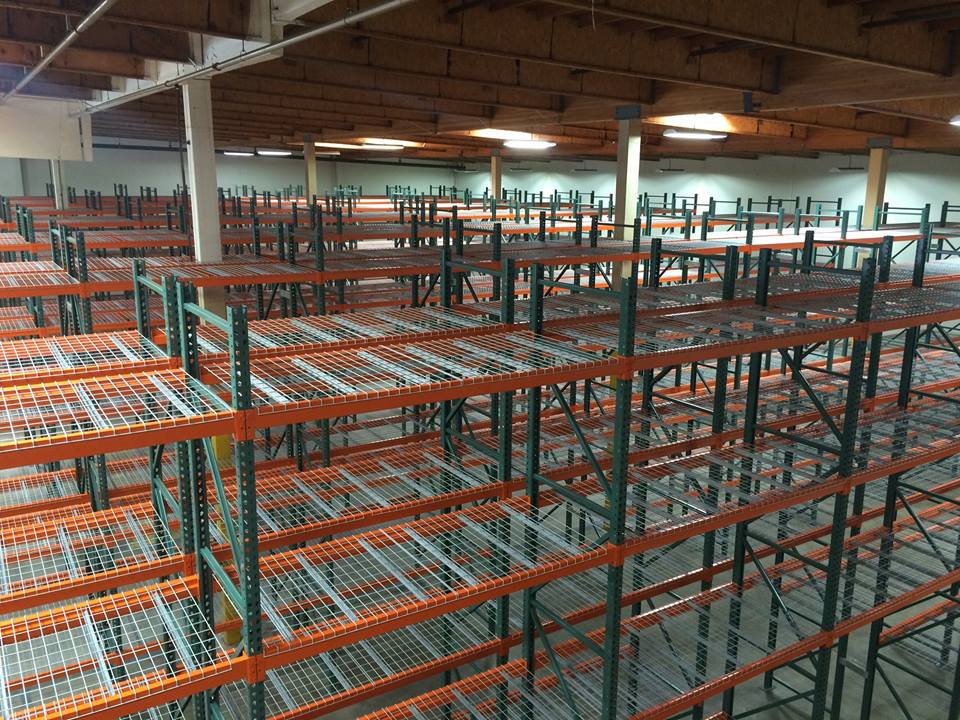
Pallet Rack
Every pallet reachable, every time. The baseline we size everything else against.
View details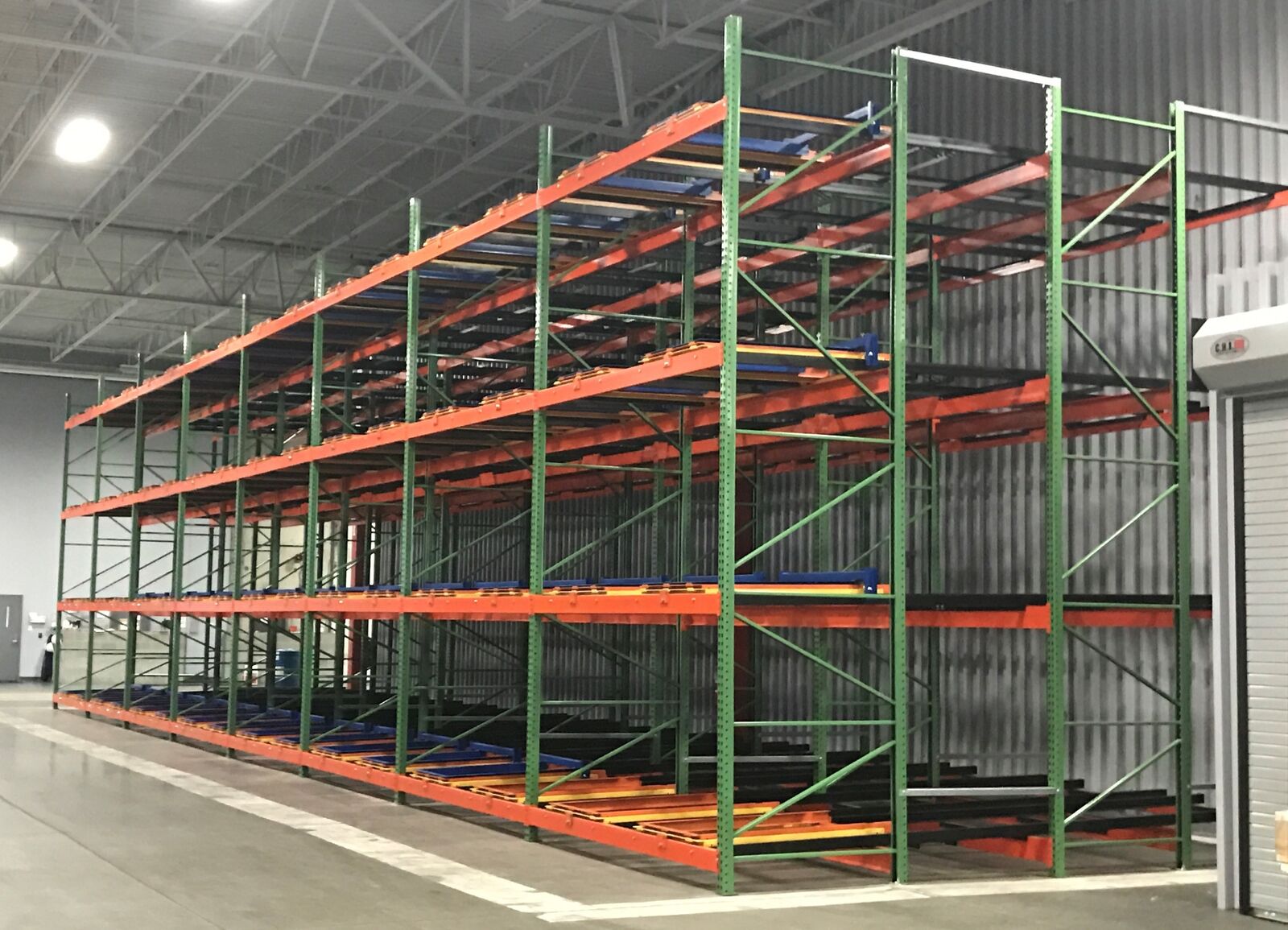
Pushback Rack
Two to six pallets deep from one aisle, without giving up much reach.
View details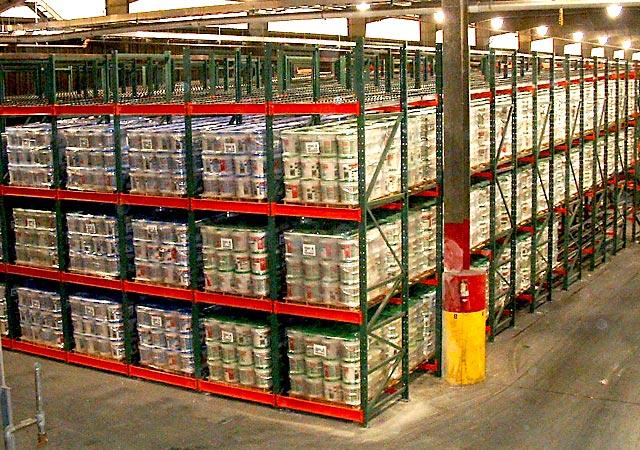
Pallet Flow Rack
Load one side, pick the other, and let gravity enforce first in, first out.
View details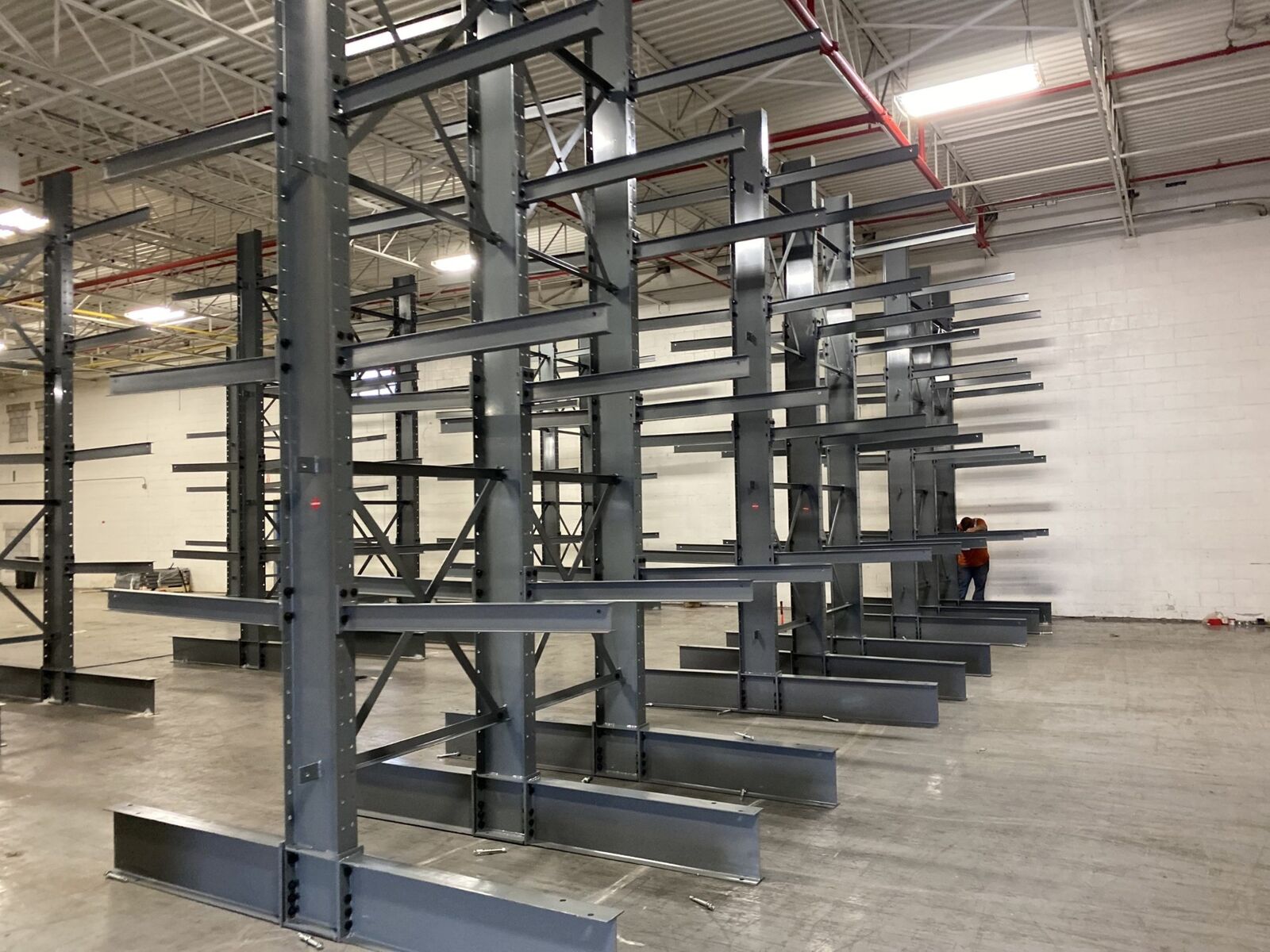
Cantilever Rack
Arms with nothing in front of them, built for lumber, pipe, and anything a pallet can't hold.
View details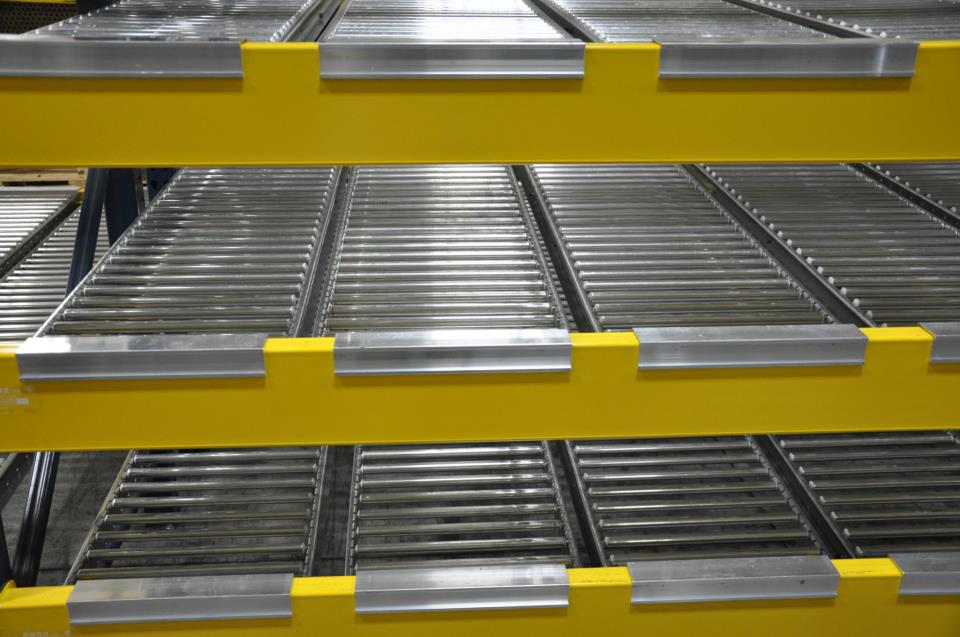
Carton Flow Rack
Cases advance to the picker instead of the picker hunting for cases.
View details
Warehouse Relocation
Tear down, label, transfer and reinstall warehouse rack with a plan for the next building.
View detailsNearby Areas We Also Serve
Our delivery and installation territory covers West Michigan, so one team can handle multiple buildings for the same company.
Where We Work
Located in Grand Rapids, we serve the entire West Michigan market with industrial pallet racks and warehouse storage solutions.
Grand Rapids Pallet Rack
Address
5355 Northland Dr. NE
Ste C #3102
Grand Rapids, MI 49525
Phone
(616) 344-5683Business Hours
Monday - Friday: 8:00 AM - 6:00 PM
Saturday: Closed
Sunday: Closed
Need Drive-In Rack in Walker?
Call (616) 344-5683 or request a quote and we will get a layout started.