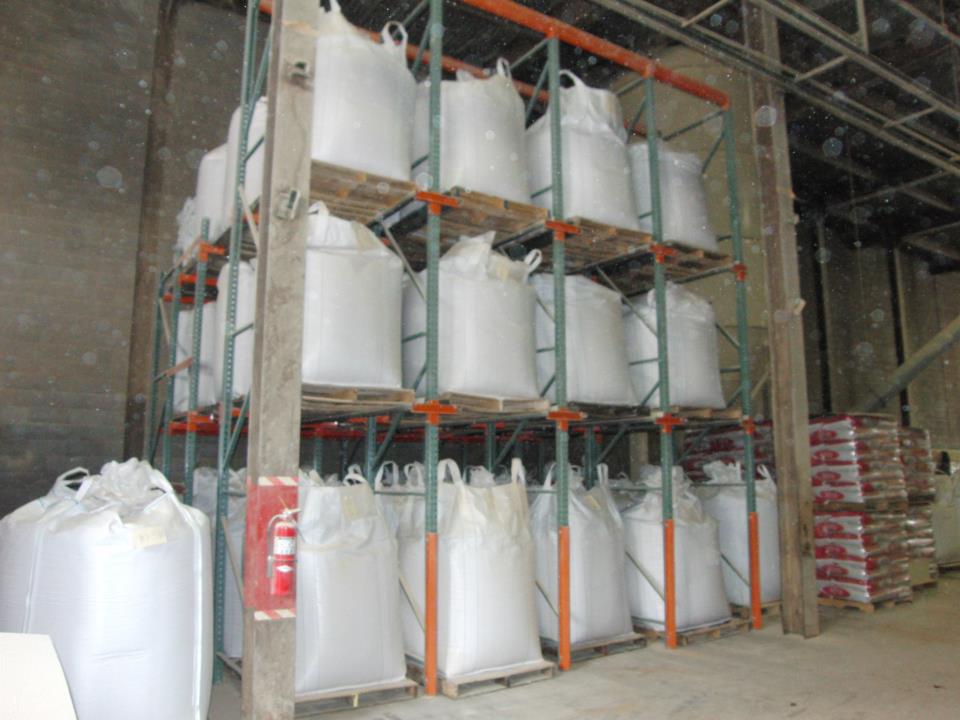
Drive-In Rack in Lowell, MI
Drive-in rack in Lowell deserves a closer look when feed, agricultural supplies or building products arrive in repeated pallet quantities. The question is not simply how deeply a warehouse can store them. It is whether the inventory can be retrieved in sequence while every pallet remains properly supported.
We connect that inventory review to the truck, the pallet underside and the available working space. Grand Rapids Pallet Rack operates as a division of Warehouse Equipment & Supplies Co.; supplying and installing since 1997, the business helps turn bulk-storage requirements into a documented arrangement rather than a guessed lane count.
Build the Drive-In Rack Handling Sequence
Identify the batch
Assign a compatible product group before filling a lane. Feed lots and seasonal supplies may have release restrictions, so compare the intended sequence with what receiving actually brings through the door.
Enter on the floor
The forklift enters between the rack uprights, carrying the pallet toward its position. Check truck width, mast clearance and guide spacing together, including the approach required for a loaded turn.
Transfer onto supports
Pallets rest on support rails once lowered into place. The supporting edges must suit the pallet construction; protruding bags, irregular boards or load overhang should be assessed before selecting rail dimensions.
Release in sequence
A single access face produces LIFO handling. FIFO can use drive-thru racking with receiving and withdrawal at opposite ends, provided both aisles and batch controls are included in the operating plan.
Judge Drive-In Pallet Rack by Occupied Lanes
A seasonal peak can make deep storage appear attractive, yet the average inventory balance matters too. When a few SKUs account for many pallets, lanes can remain concentrated and useful. When each product leaves only scattered remnants, deep lanes may reserve considerable space for very little stock. Compare both conditions before committing the whole reserve area to one format.
Agriculture and feed inventory also needs a deliberate conversation about lot release. A LIFO arrangement should not be selected merely because the pallets look alike. Building products may tolerate a different retrieval pattern but introduce wider loads or heavier units. We weigh those operating differences against aisle reduction, handling distance and the ability to keep unrelated products accessible when demand shifts between seasons.

Bulk Handling Near M-21 and Foreman Road
M-21/Fulton Street and Foreman Road connect the planning discussion to Lowell's agriculture, feed and building-product operations. Reserve lanes should complement incoming load checks and outbound grouping, especially when seasonal receipts temporarily occupy the floor space needed to approach storage.
Measure the Pallet, Then Set the Lane
Ask receiving to identify the range of pallets that actually arrive, not only the preferred specification on purchase paperwork. We examine dimensions, bottom construction, load weight and any packaging that extends past the deck. Support rails need adequate bearing for that range. Where pallets vary too widely, separating storage groups may be more practical than designing every lane around the largest exception.
Next, confirm the forklift model and its loaded operating dimensions at the proposed storage levels. Rail heights, truck clearance and entry guides must work as a coordinated assembly. Lane depth is then tested against batch size and the room available for maneuvering at the face. The drawing should distinguish reserve storage from bag checking, incoming load review and outbound assembly areas, rather than counting those areas as spare pallet positions.
We also compare pushback where LIFO is acceptable but truck entry is undesirable, and pallet flow where FIFO movement and compatible pallets justify rollers. A scope identifies the proposed components, configuration and installation boundaries. The agreed installation work is carried out by experienced installation crews we schedule and manage; the completed arrangement is reviewed with your team so lane use, capacity information and future changes have a documented starting point.
Recent Installations
Racking projects completed for warehouses across West Michigan.


Bring Your Drive-In Rack Batch Profile
Tell us what arrives together, what must leave first and which pallets vary. Add truck details and a floor sketch so we can evaluate storage depth against your daily handling needs. (616) 344-5683.
Grand Rapids Pallet Rack
5355 Northland Dr. NE
Ste C #3102
Grand Rapids, MI 49525
(616) 344-5683Monday - Friday: 8:00 AM - 6:00 PM
Lowell Lane Planning Questions
Rack Systems & Warehouse Services in Lowell
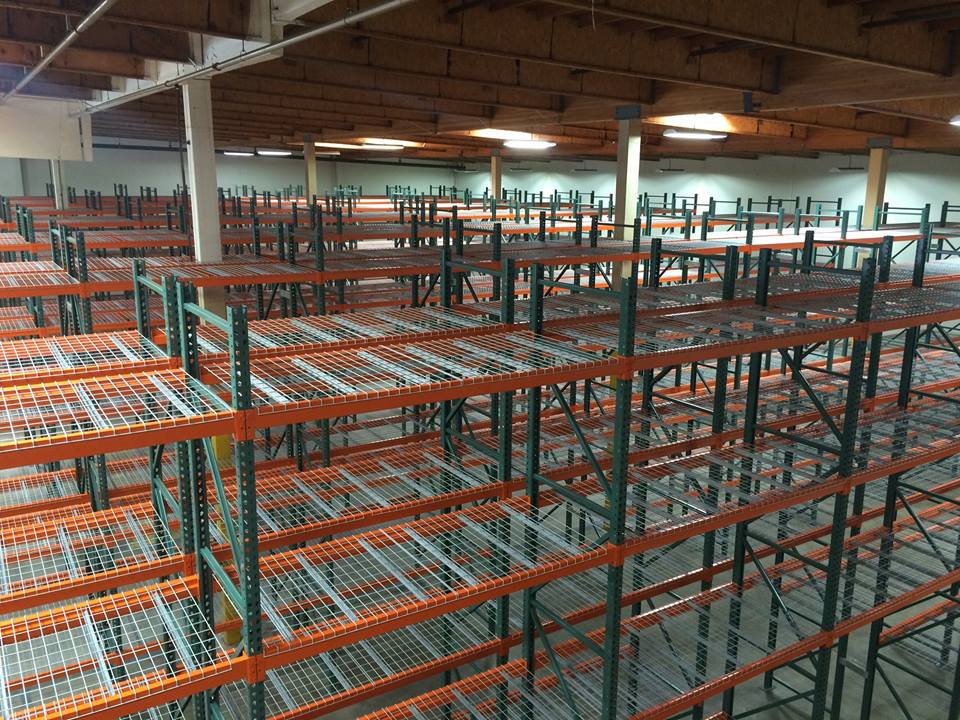
Pallet Rack
Every pallet reachable, every time. The baseline we size everything else against.
View details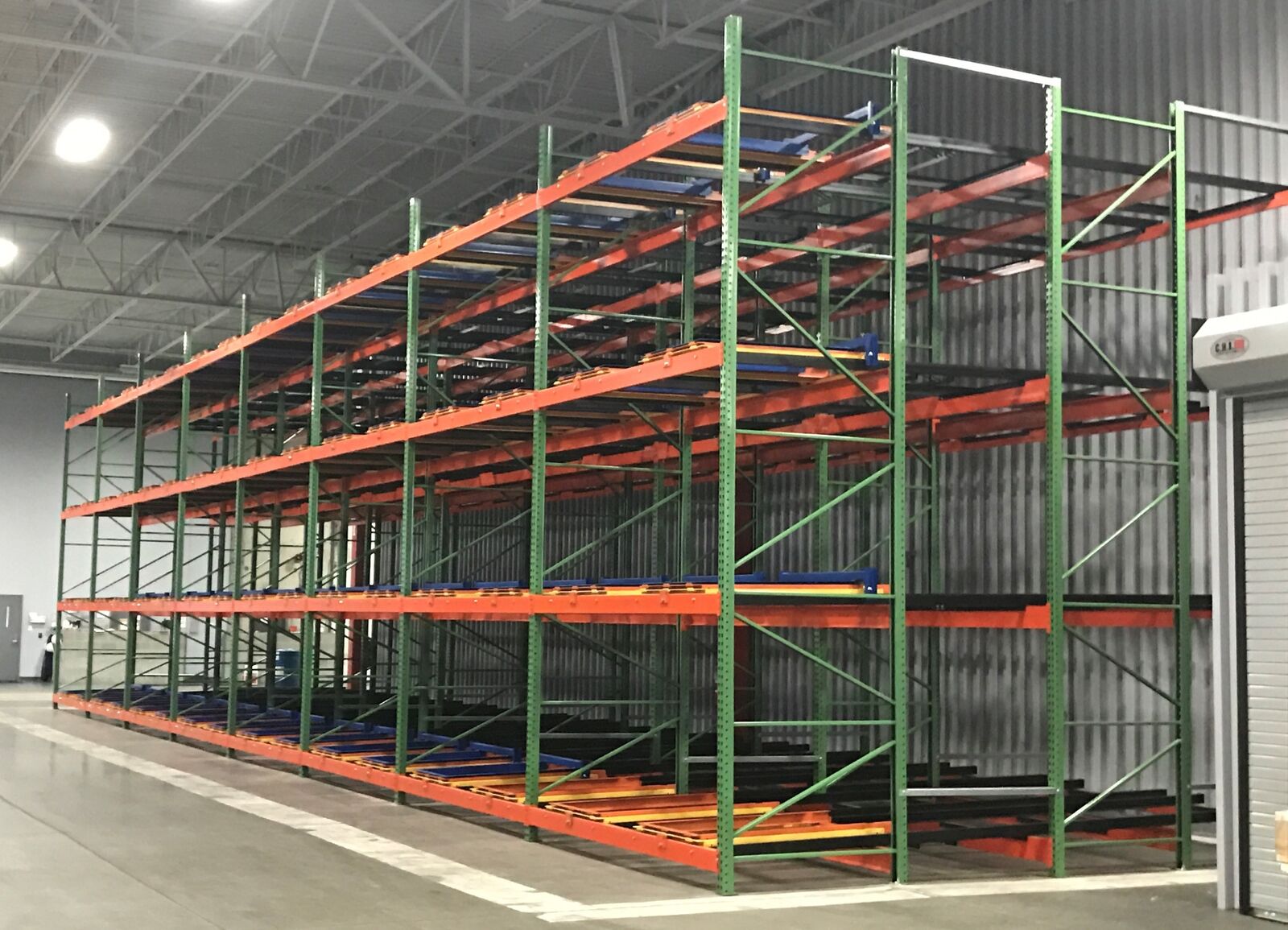
Pushback Rack
Two to six pallets deep from one aisle, without giving up much reach.
View details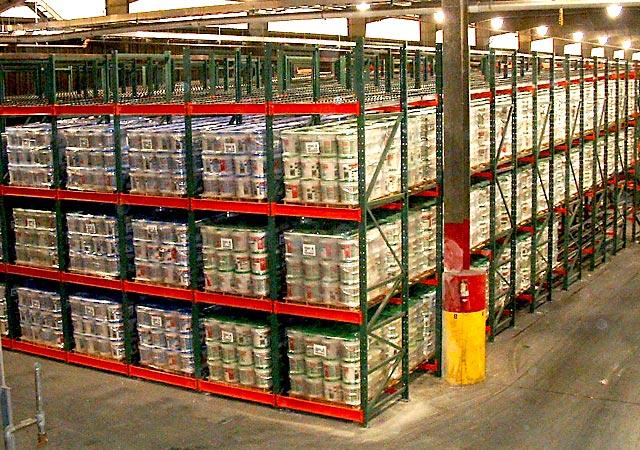
Pallet Flow Rack
Load one side, pick the other, and let gravity enforce first in, first out.
View details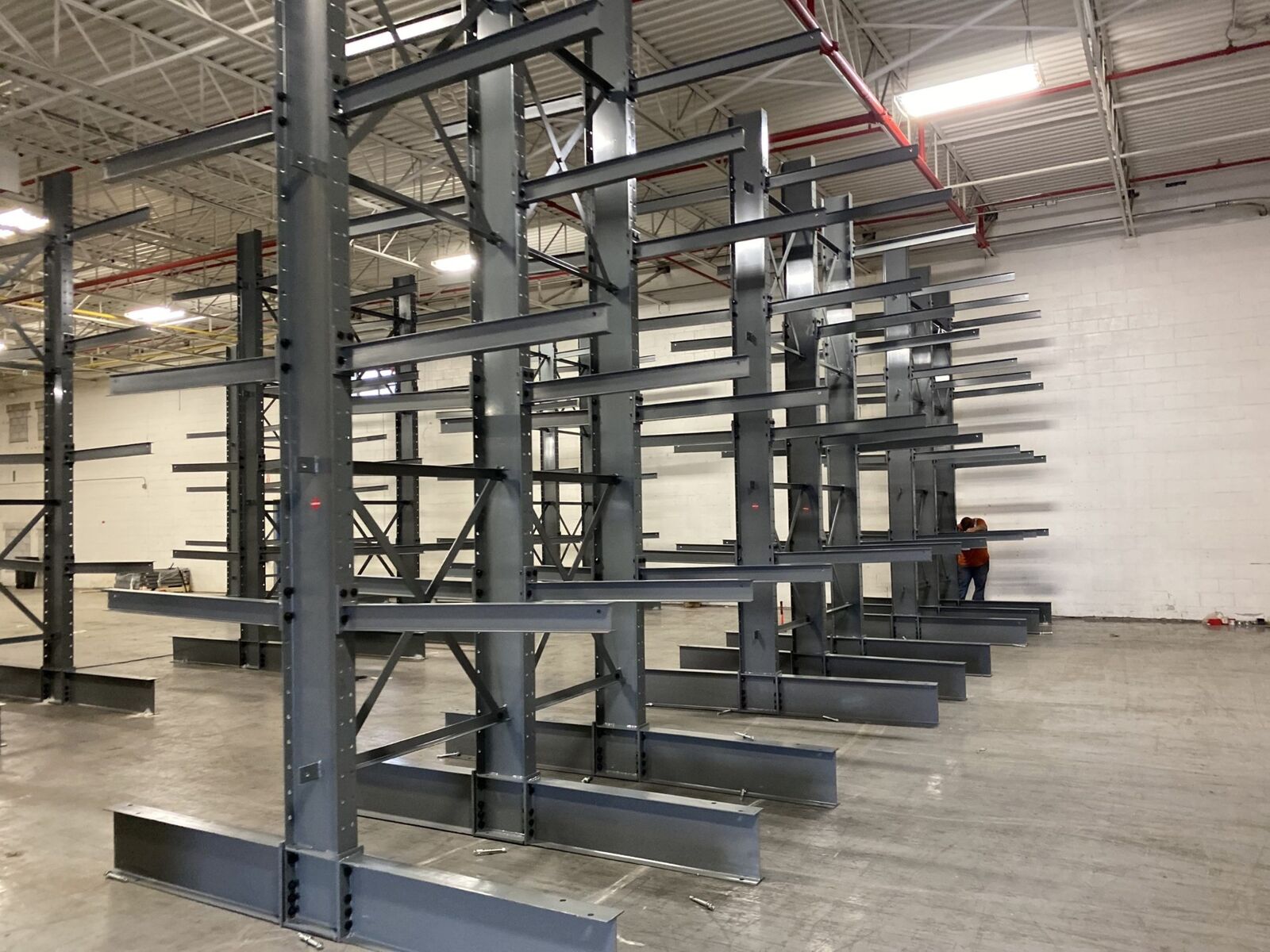
Cantilever Rack
Arms with nothing in front of them, built for lumber, pipe, and anything a pallet can't hold.
View details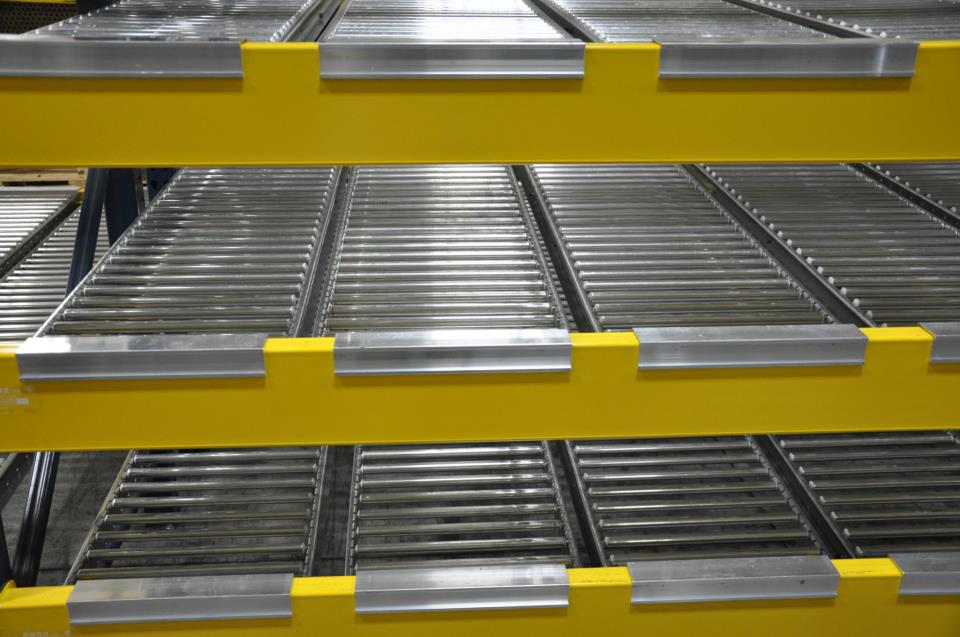
Carton Flow Rack
Cases advance to the picker instead of the picker hunting for cases.
View details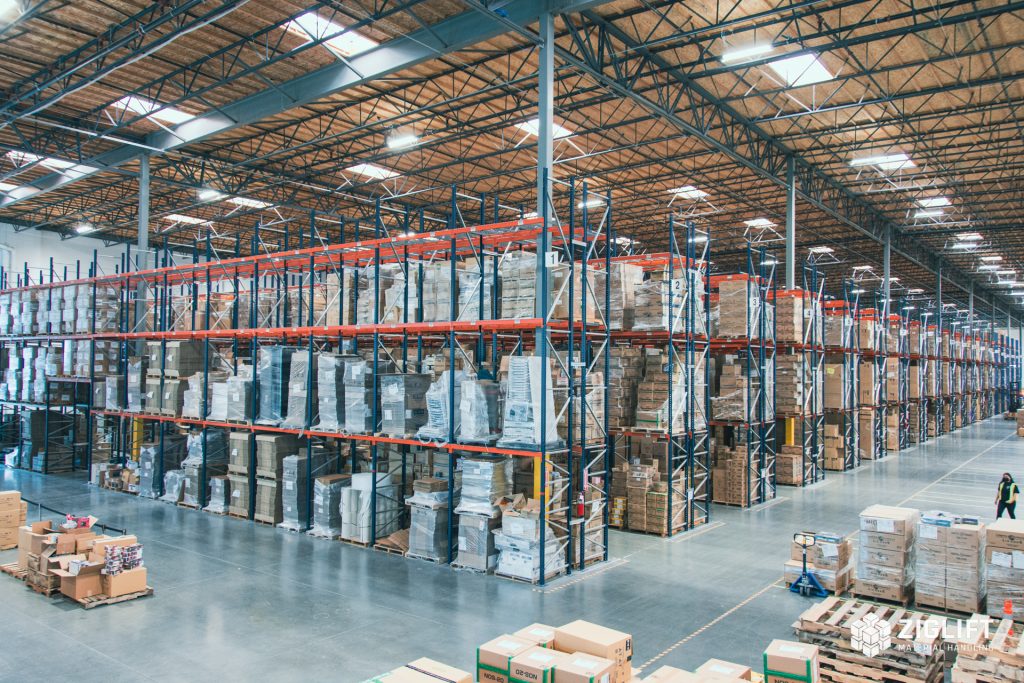
Warehouse Relocation
Tear down, label, transfer and reinstall warehouse rack with a plan for the next building.
View detailsNearby Areas We Also Serve
Our delivery and installation territory covers West Michigan, so one team can handle multiple buildings for the same company.
Where We Work
Located in Grand Rapids, we serve the entire West Michigan market with industrial pallet racks and warehouse storage solutions.
Grand Rapids Pallet Rack
Address
5355 Northland Dr. NE
Ste C #3102
Grand Rapids, MI 49525
Phone
(616) 344-5683Business Hours
Monday - Friday: 8:00 AM - 6:00 PM
Saturday: Closed
Sunday: Closed
Need Drive-In Rack in Lowell?
Call (616) 344-5683 or request a quote and we will get a layout started.