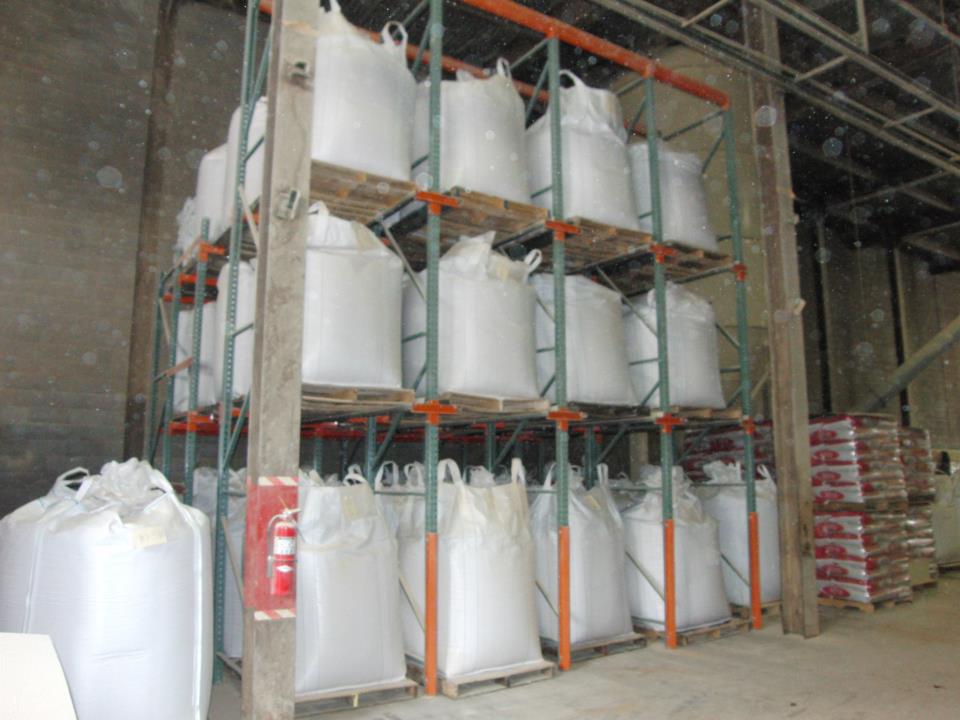
Drive-In Rack in Comstock Park, MI
Drive-in rack in Comstock Park can consolidate repeated beverage loads or building-material pallets, provided each lane has a workable release sequence. For a third-party warehouse, that decision starts with the customer's inventory rules: how many pallets share an item number, who controls release and what happens when quantities change.
Rather than treating every account alike, we separate stable bulk reserves from stock requiring frequent selection. As a division of Warehouse Equipment & Supplies Co., Grand Rapids Pallet Rack brings a supplying and installing history dating to 1997 to that review, with equipment fit and operating access considered together.
Define Drive-In Rack Around Account Rules
Begin with an inventory profile for each proposed storage group. Record peak pallets per item, typical balance, lot restrictions and expected dispatch quantities. Food and beverage stock may require date rotation that rules out single-ended lanes. Building materials may present different pallet footprints or uneven loads. Those differences affect whether a common lane specification is sensible or whether separate blocks would be easier to operate.
The physical review covers loaded pallet dimensions, support edges, weight and the forklift's full operating envelope. Support-rail sizing must reflect the actual loads and pallet bearing surfaces. Truck and guide sizing must allow the intended movements without assuming an operator can compensate for inadequate clearance. We also map access to docks so a dense reserve block does not consume the space needed to sort arrivals by account.
Your proposal identifies lane depths, storage levels, working aisles and the inventory assumptions behind them. We compare alternative layouts when partial occupancy could erase the expected space benefit. Experienced installation crews we schedule and manage coordinate work within the agreed areas. Configuration information and operating boundaries are reviewed at handover so future account changes can be checked against the storage arrangement rather than absorbed informally.
Where Drive-In Rack Supports Account Reserves
The central tradeoff is selection versus concentration. Few SKUs with many pallets can fill deep lanes well, reducing the number of internal access aisles. A broad assortment with only a handful of pallets per item often leaves more empty positions because each lane needs compatible stock. Evaluate the expected occupied positions, not just the theoretical total printed on a drawing.
Single-ended drive-in runs LIFO, making the most recently loaded pallet the next available one. Where FIFO is required, drive-thru racking uses opposite loading and retrieval faces, supported by disciplined stock assignment. Both faces need working room. For a 3PL, that footprint and the account's release rules should be settled before a bulk-storage commitment is made or a lane allocation becomes difficult to change.

West River Drive Receiving Patterns
West River Drive industrial and Alpine Ave NW provide context for food, beverage, building materials and 3PL storage. Discuss how loads move from receiving to reserve; cold winters can affect dock staging, so avoid assuming every inbound pallet enters a lane immediately.
Four Checks Before Lane Assignment
Group compatible loads
Separate accounts and items whose release rules differ. Similar packaging is not enough: confirm that pallets can share a retrieval sequence without trapping restricted inventory behind a newer receipt.
Check entry geometry
A forklift travels on the floor inside the storage lane to deposit or collect a load. Measure its chassis, mast and turning needs with the pallet carried, including the approach from the main aisle.
Confirm rail bearing
The load transfers onto support rails beneath the pallet edges. Examine the pallet underside and bearing overlap so dimensional variation does not undermine the specified support or placement clearance.
Plan the next move
Leave practical transfer space between reserve storage and dispatch. Compare pushback for aisle-based LIFO handling, or pallet flow for FIFO movement on rollers, where those operating patterns better match the account.
Recent Installations
Racking projects completed for warehouses across West Michigan.


Scope a Drive-In Pallet Rack Review
Send account storage rules alongside pallet counts and handling equipment details. Our discussion can separate suitable bulk groups from inventory needing another rack format before the lane plan takes shape. (616) 344-5683.
Grand Rapids Pallet Rack
5355 Northland Dr. NE
Ste C #3102
Grand Rapids, MI 49525
(616) 344-5683Monday - Friday: 8:00 AM - 6:00 PM
Comstock Park Bulk Storage Answers
Rack Systems & Warehouse Services in Comstock Park
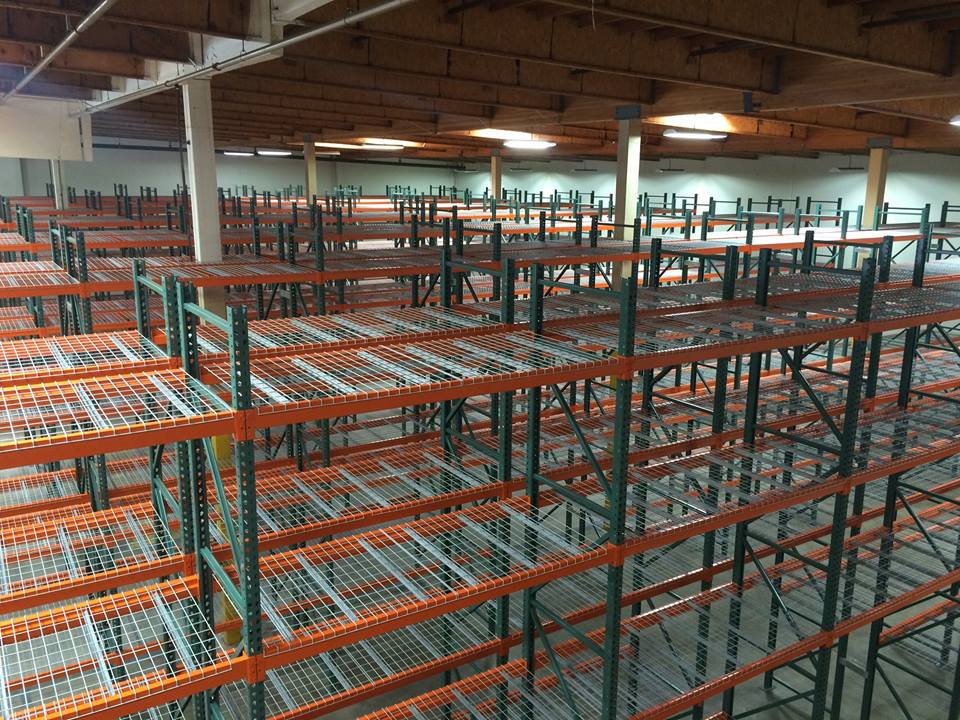
Pallet Rack
Every pallet reachable, every time. The baseline we size everything else against.
View details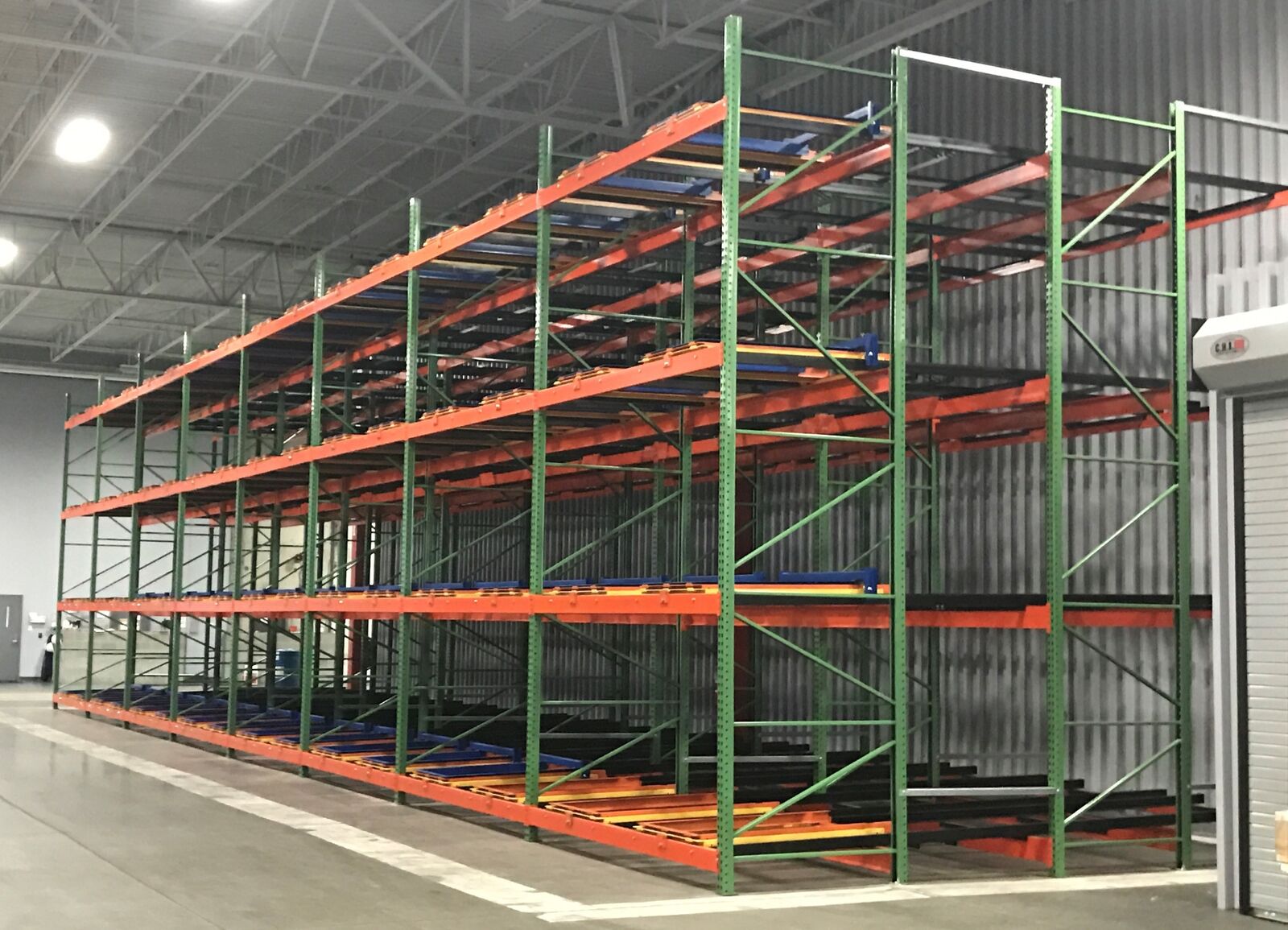
Pushback Rack
Two to six pallets deep from one aisle, without giving up much reach.
View details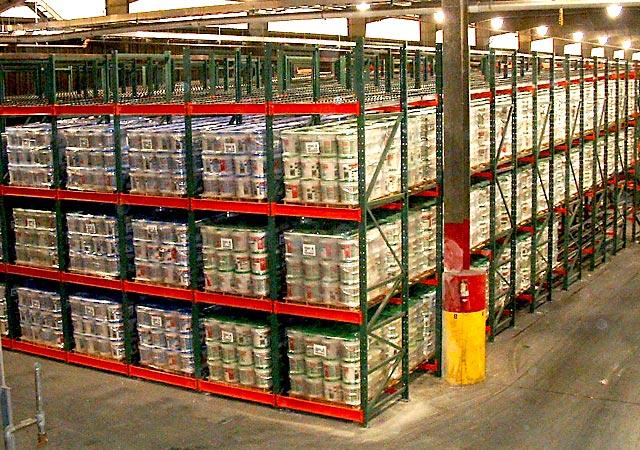
Pallet Flow Rack
Load one side, pick the other, and let gravity enforce first in, first out.
View details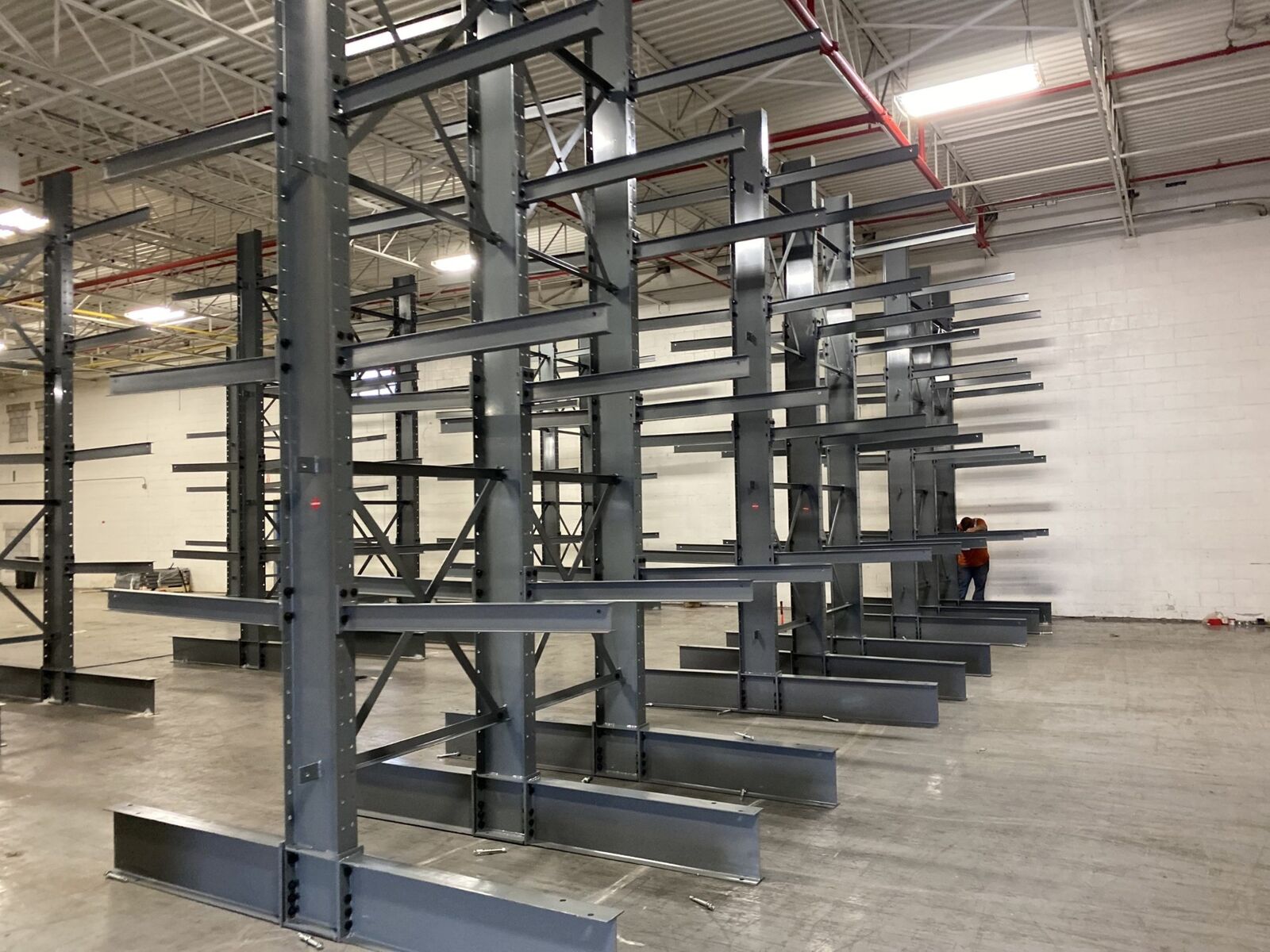
Cantilever Rack
Arms with nothing in front of them, built for lumber, pipe, and anything a pallet can't hold.
View details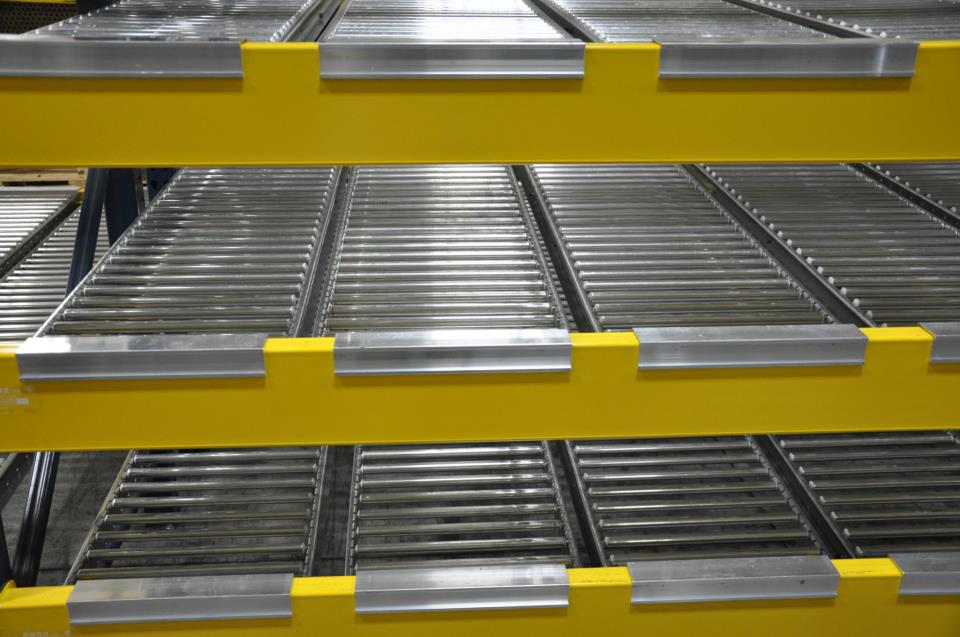
Carton Flow Rack
Cases advance to the picker instead of the picker hunting for cases.
View details
Warehouse Relocation
Tear down, label, transfer and reinstall warehouse rack with a plan for the next building.
View detailsNearby Areas We Also Serve
Our delivery and installation territory covers West Michigan, so one team can handle multiple buildings for the same company.
Where We Work
Located in Grand Rapids, we serve the entire West Michigan market with industrial pallet racks and warehouse storage solutions.
Grand Rapids Pallet Rack
Address
5355 Northland Dr. NE
Ste C #3102
Grand Rapids, MI 49525
Phone
(616) 344-5683Business Hours
Monday - Friday: 8:00 AM - 6:00 PM
Saturday: Closed
Sunday: Closed
Need Drive-In Rack in Comstock Park?
Call (616) 344-5683 or request a quote and we will get a layout started.