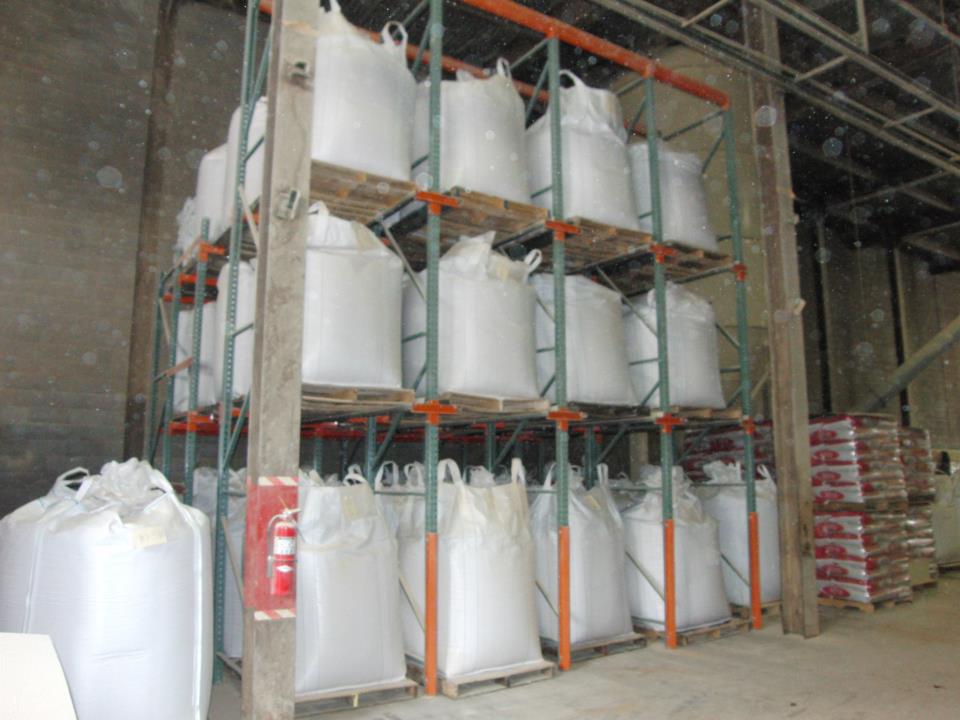
Drive-In Rack in Holland, MI
Drive-in rack helps Holland facilities evaluate whether repeated pallet loads belong in a compact reserve block rather than individually accessible rows. Food processing and cold storage can make that question especially important, but product rotation must remain central. Deep storage is useful only when its retrieval sequence matches the inventory assigned to it.
Grand Rapids Pallet Rack, a division of Warehouse Equipment & Supplies Co., supplying and installing since 1997, reviews both the stored load and the handling process. Our planning considers pallet bearing, truck entry and cooler or freezer conditions before translating a desired position count into a proposed arrangement.
How Drive-In Rack Uses Shared Lanes
Group compatible inventory
Allocate a lane to a suitable SKU and lot grouping. Many pallets of a few items generally fit this format better than small quantities spread across a large, frequently changing assortment.
Carry loads into position
A forklift enters the lane and places each pallet on side support rails. The truck travels on the floor, with clearance required around its mast, body and raised load.
Retrieve from the same face
In a single-entry arrangement, front pallets leave before those stored farther inside. This LIFO sequence should agree with release rules; date-sensitive stock may require a different storage method.
Provide a second access face
Drive-thru racking allows loading at one end and retrieval at the other for FIFO handling. Both working aisles must fit, and lane procedures must prevent newer loads from bypassing older inventory.
Drive-In Pallet Rack for Actual Load Conditions
A cold-storage layout starts with more than the room dimensions. We request the operating temperature, representative pallet construction and the forklift configuration intended for that environment. Pallets must retain adequate bearing on the rails under their loaded condition. Load wrap, overhang and uneven stacking can all consume clearance that appears available when only an empty pallet is measured.
At 48th Street industrial facilities or sites along Waverly Road, receiving access and production transfers help determine where lanes should open. Older plants may require shorter runs around columns or fewer levels beneath lower overhead areas. We establish rail elevations, lane widths and guide spacing together so the truck can enter and withdraw throughout the proposed storage envelope.
Layouts serving furniture or battery and energy manufacturing should distinguish repeat reserve loads from items needing individual identification or special handling. We compare a deep-lane block with pushback and flow alternatives instead of assuming maximum depth is the objective. Experienced installation crews we schedule and manage receive the agreed layout and work boundaries; handover covers loading assumptions, lane assignments and the configuration used to establish capacities.
Why Drive-In Rack Needs a Rotation Test
Food inventory can appear ideal for dense storage because many pallets share a item identifier. Different production dates, however, may make those pallets operationally distinct. We ask whether a lane can empty before another batch arrives and whether older stock must remain available during replenishment. Those answers determine whether LIFO storage is acceptable.
For suitable reserve goods, reducing internal access aisles can concentrate pallets within the storage area. That is useful in a cooler or freezer only if the resulting lanes remain workable for the truck and the product release process. Pushback offers aisle-side handling but still uses LIFO. Pallet flow provides gravity-assisted FIFO movement and requires its own pallet compatibility review. The decision should follow the load, rotation rule and available building space together.

Connect Storage With Production Movement
Near US-31 South and James Street, a Holland storage plan should leave receiving and production routes understandable. We place lane entrances around the actual transfer path, available turning space and staging needs rather than allowing dense storage to dictate every movement.
Recent Installations
Racking projects completed for warehouses across West Michigan.


Plan Your Holland Storage Arrangement
Provide temperature conditions, pallet samples or specifications, load weights and rotation requirements. A Free Design Consultation establishes whether deep lanes deserve further planning or whether another arrangement better serves your handling process. (616) 344-5683.
Grand Rapids Pallet Rack
5355 Northland Dr. NE
Ste C #3102
Grand Rapids, MI 49525
(616) 344-5683Monday - Friday: 8:00 AM - 6:00 PM
Holland Drive-In Rack Buyer Questions
Rack Systems & Warehouse Services in Holland
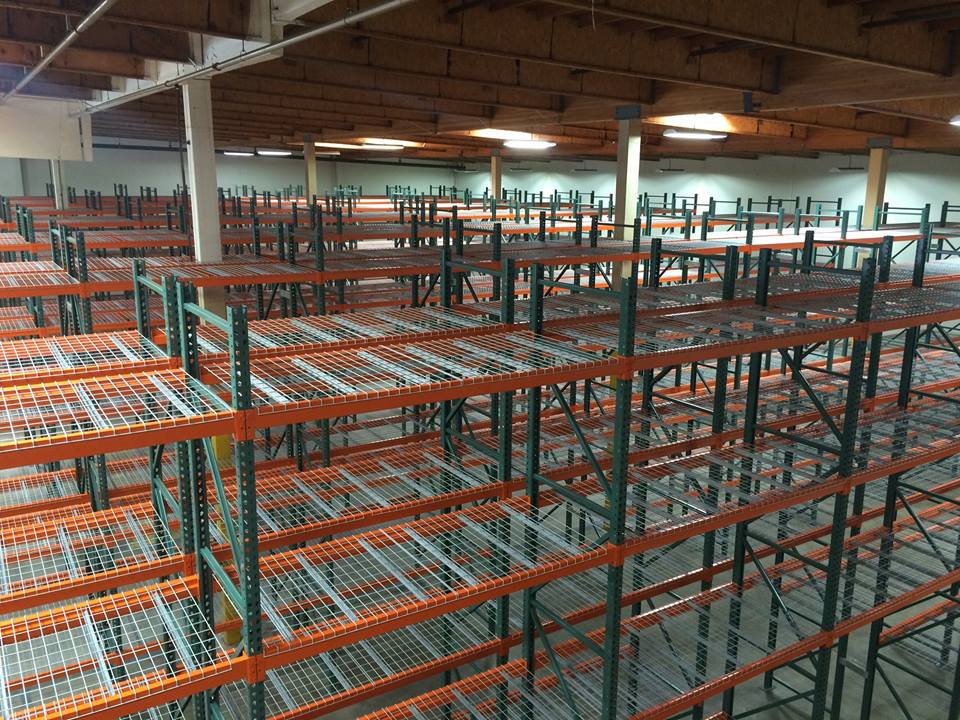
Pallet Rack
Every pallet reachable, every time. The baseline we size everything else against.
View details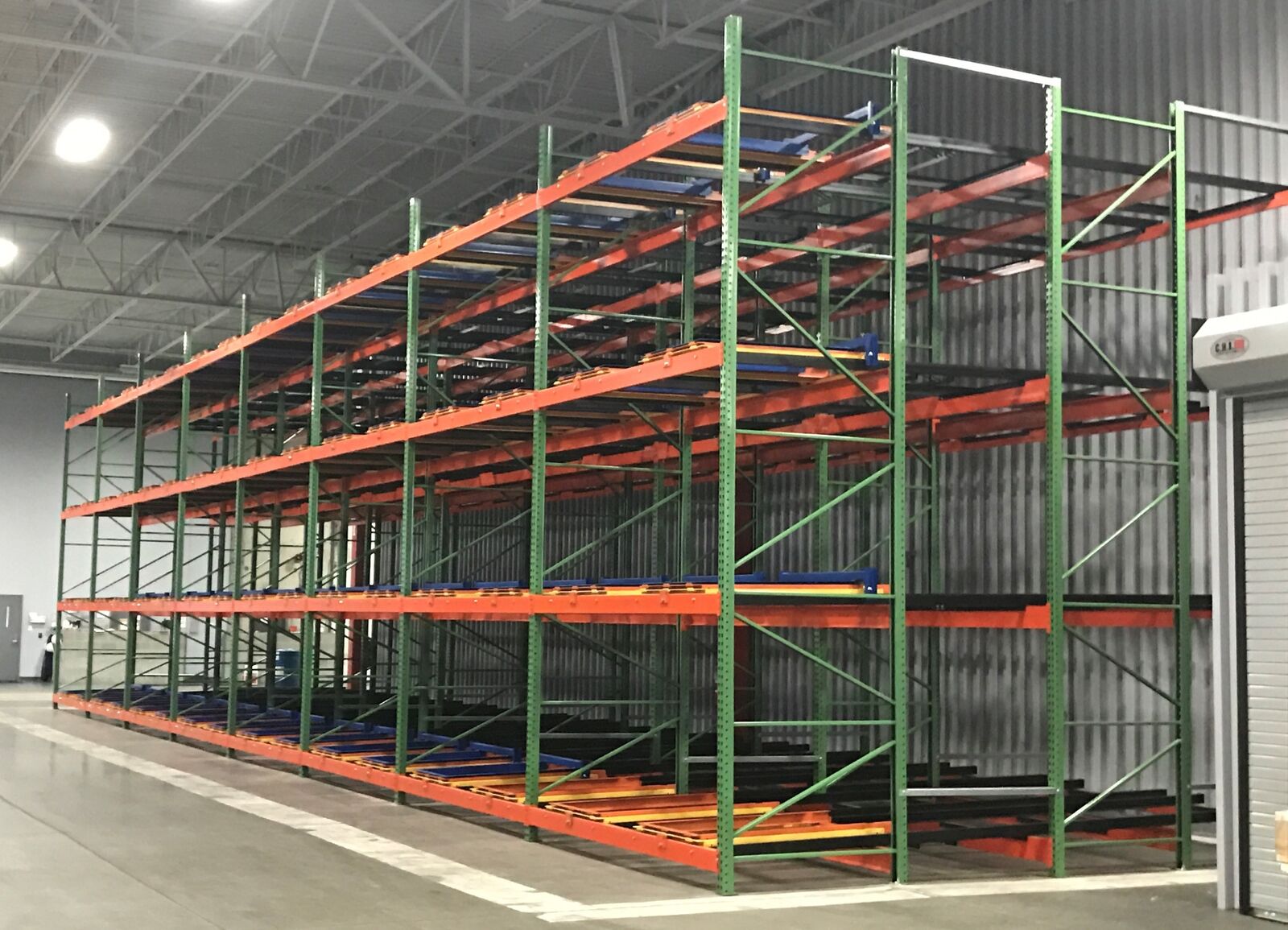
Pushback Rack
Two to six pallets deep from one aisle, without giving up much reach.
View details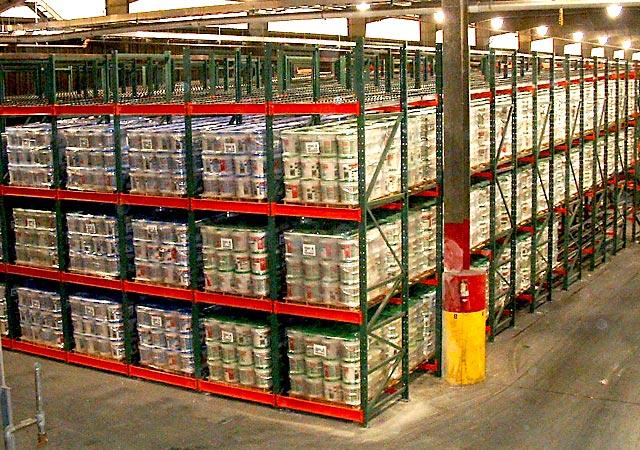
Pallet Flow Rack
Load one side, pick the other, and let gravity enforce first in, first out.
View details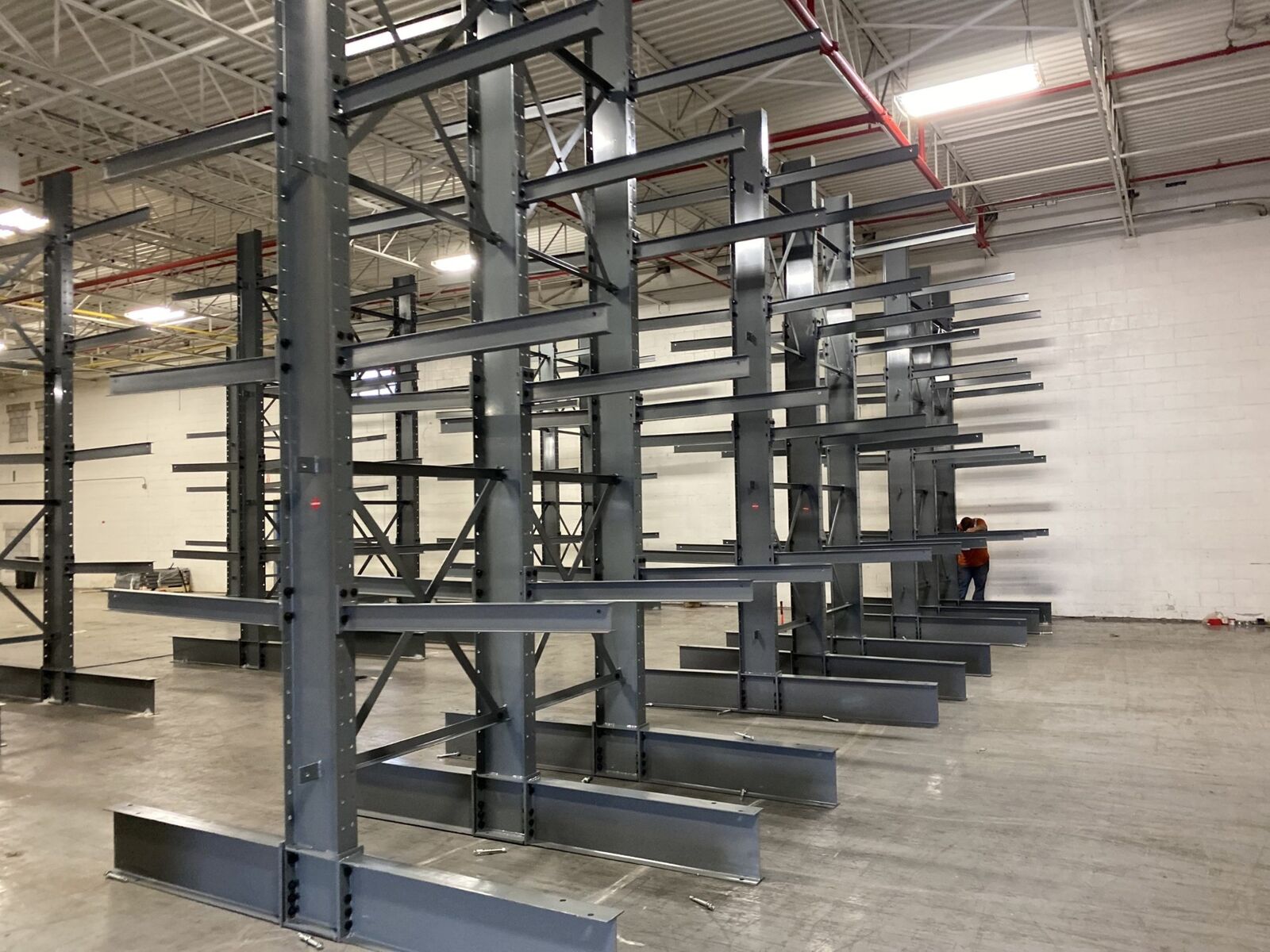
Cantilever Rack
Arms with nothing in front of them, built for lumber, pipe, and anything a pallet can't hold.
View details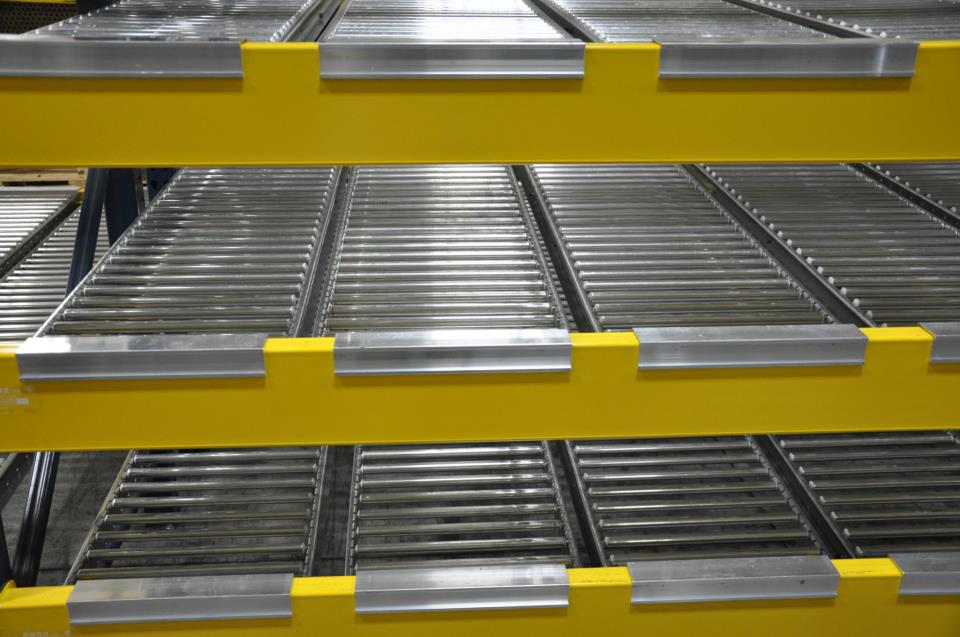
Carton Flow Rack
Cases advance to the picker instead of the picker hunting for cases.
View details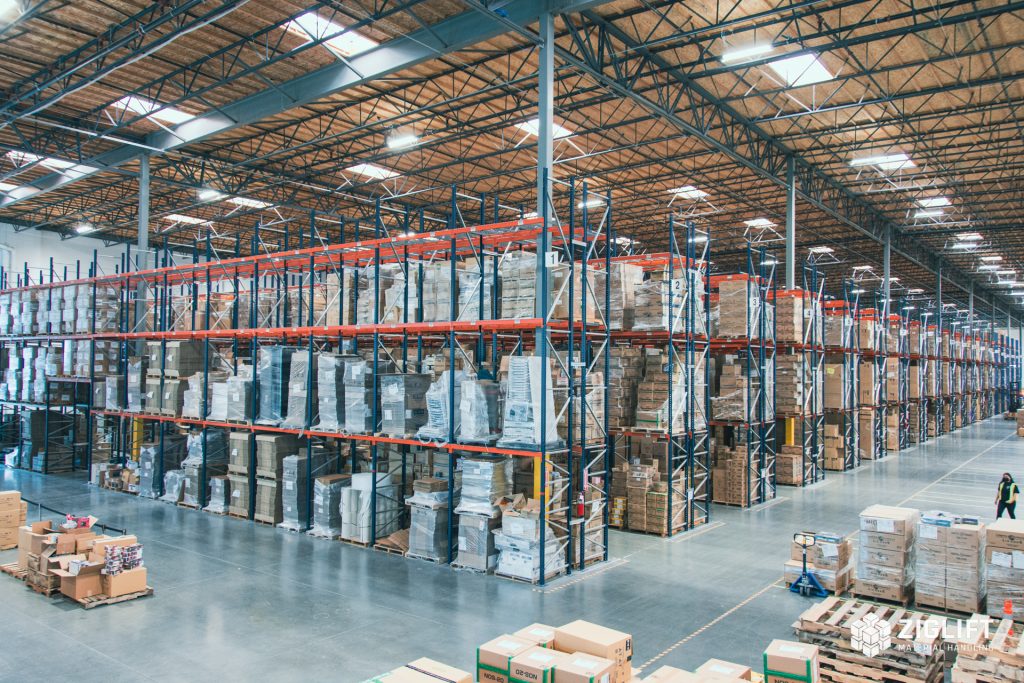
Warehouse Relocation
Tear down, label, transfer and reinstall warehouse rack with a plan for the next building.
View detailsNearby Areas We Also Serve
Our delivery and installation territory covers West Michigan, so one team can handle multiple buildings for the same company.
Where We Work
Located in Grand Rapids, we serve the entire West Michigan market with industrial pallet racks and warehouse storage solutions.
Grand Rapids Pallet Rack
Address
5355 Northland Dr. NE
Ste C #3102
Grand Rapids, MI 49525
Phone
(616) 344-5683Business Hours
Monday - Friday: 8:00 AM - 6:00 PM
Saturday: Closed
Sunday: Closed
Need Drive-In Rack in Holland?
Call (616) 344-5683 or request a quote and we will get a layout started.