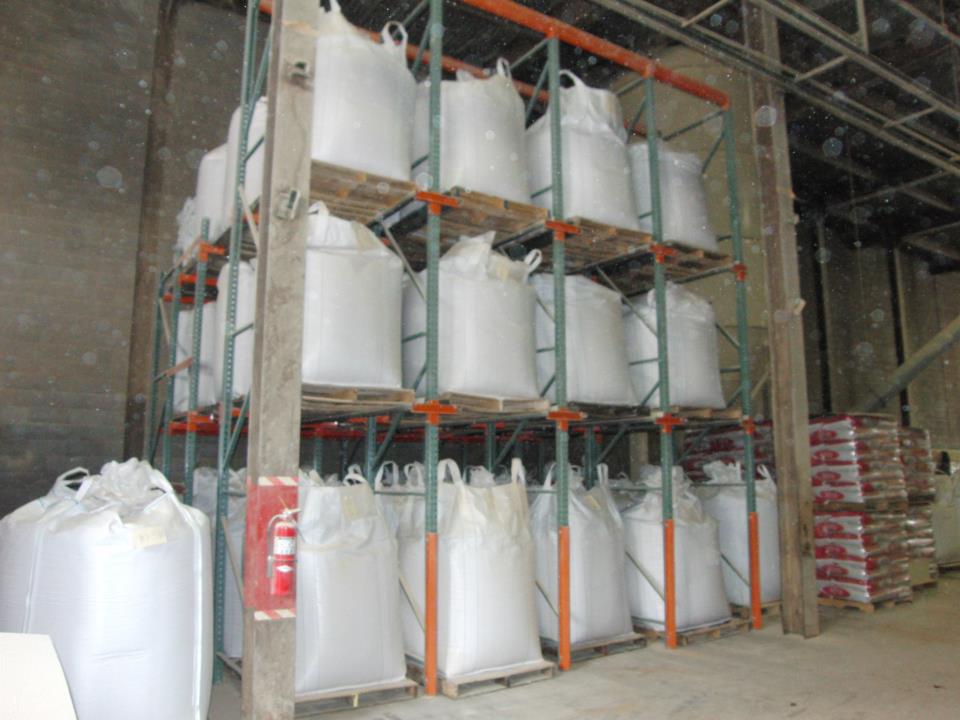
Drive-In Rack in Ada, MI
Drive-in rack in Ada gives repeat consumer-product loads a compact reserve area without assigning an aisle to every pallet row. The strongest candidate is a small assortment held in substantial quantities, with replenishment planned by batch rather than individual pallet selection. Start with inventory behavior before choosing lane depth.
Grand Rapids Pallet Rack is a division of Warehouse Equipment & Supplies Co., supplying and installing since 1997. We evaluate how reserve storage feeds light assembly and outbound picking, then translate pallet dimensions, truck geometry and access requirements into a layout your team can review.
When Drive-In Rack Suits Reserve Inventory
Dense storage works only when the stock assigned to a lane can leave in the right sequence. Drive-in uses LIFO: the last pallet placed at the entrance is the first retrieved. That suits matching reserve units with flexible release order. A lane filled with unrelated items can instead hide tomorrow's replenishment behind stock that cannot move yet.
For consumer products, separate lot rules from simple item counts. A product may have enough pallets for deep storage but still need access by production date. Compare that requirement with the space saved by fewer aisles. We examine partial lanes, replenishment frequency and expected empty positions, not merely the maximum position count. The result should support assembly supply without turning reserve inventory into an obstacle course.

Assembly Supply Along Fulton and Spaulding
Around Fulton Street East and Spaulding Ave industrial, consumer products and light assembly make reserve-to-production movement worth mapping. Position storage so a replenishment truck can reach its destination without crossing the space needed to stage incoming pallets during busy receiving periods.
Inside a Drive-In Pallet Rack Lane
Enter squarely
The forklift enters from the working aisle with its wheels on the floor. Its loaded turning envelope and mast profile establish the approach space, so a drawing begins with the actual truck specifications.
Set the pallet
Pallets rest on support rails along their edges. Rail spacing must match the pallet construction and provide suitable bearing without interfering with the truck during placement or withdrawal.
Work backward
Operators fill the deepest available position before moving toward the entrance. Retrieval reverses that sequence, which makes lane assignment and clear batch identification important parts of the operating plan.
Consider two faces
Drive-thru racking allows FIFO when loading and retrieval occur at opposite ends. Both access aisles and the replenishment discipline must fit; a second opening alone does not establish rotation.
Specify the Load Before the Steel
Bring representative pallets, including the least consistent examples your receiving team accepts. We review bottom boards, load overhang, loaded height and maximum weight. Packaging that bulges beyond the pallet changes the usable envelope. Rail elevations and lane width are developed around those measurements rather than a nominal pallet size. Truck width, mast movement and overhead guard clearance also need checking throughout the intended lifting range.
Guide sizing belongs in the same review as truck and support-rail sizing. Where guides are included, their spacing must accommodate the equipment while helping operators align at entry. Column locations, approach angles and nearby picking activity influence the layout. A CAD plan can compare deeper lanes against shorter blocks, showing where additional positions would create awkward handling or leave too many partially occupied lanes.
Pushback may suit shallower LIFO reserve when keeping trucks outside the structure matters. Pallet flow offers FIFO movement on rollers when pallet compatibility and access at both faces support it. We explain those tradeoffs before confirming the arrangement. Experienced installation crews we schedule and manage carry out the agreed arrangement; configuration records and lane assignments are then reviewed with your operations contact.
Recent Installations
Racking projects completed for warehouses across West Michigan.


Discuss Your Drive-In Rack Allocation
Share your pallet list, truck model and reserve quantities. We can examine lane assignments with you, identify missing measurements and outline a storage arrangement suited to your replenishment routine. (616) 344-5683.
Grand Rapids Pallet Rack
5355 Northland Dr. NE
Ste C #3102
Grand Rapids, MI 49525
(616) 344-5683Monday - Friday: 8:00 AM - 6:00 PM
Drive-In Rack Selection Questions
Rack Systems & Warehouse Services in Ada
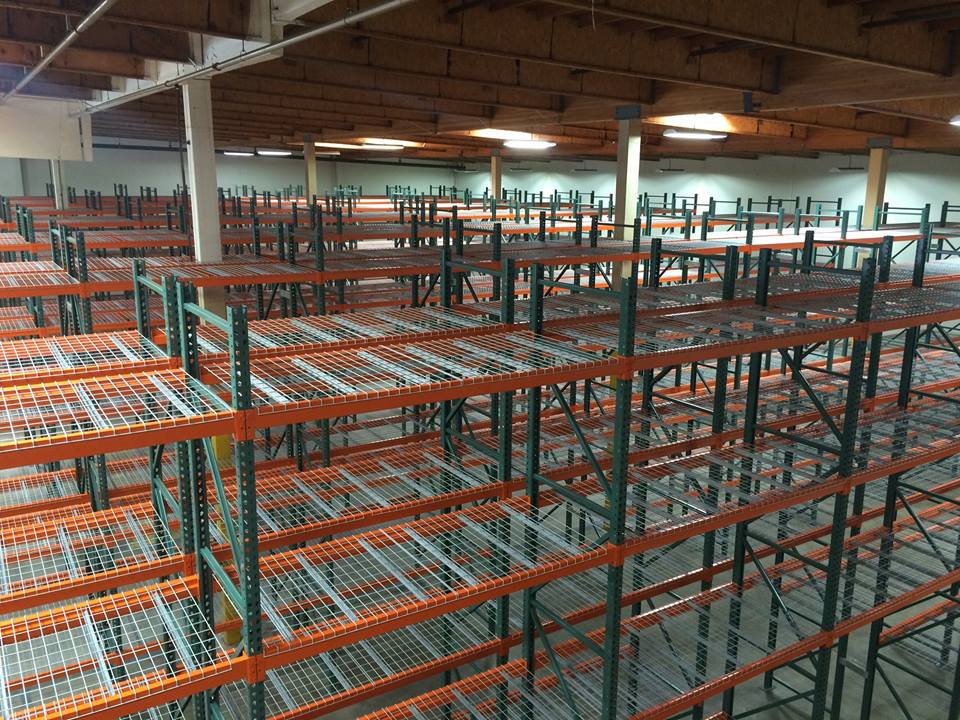
Pallet Rack
Every pallet reachable, every time. The baseline we size everything else against.
View details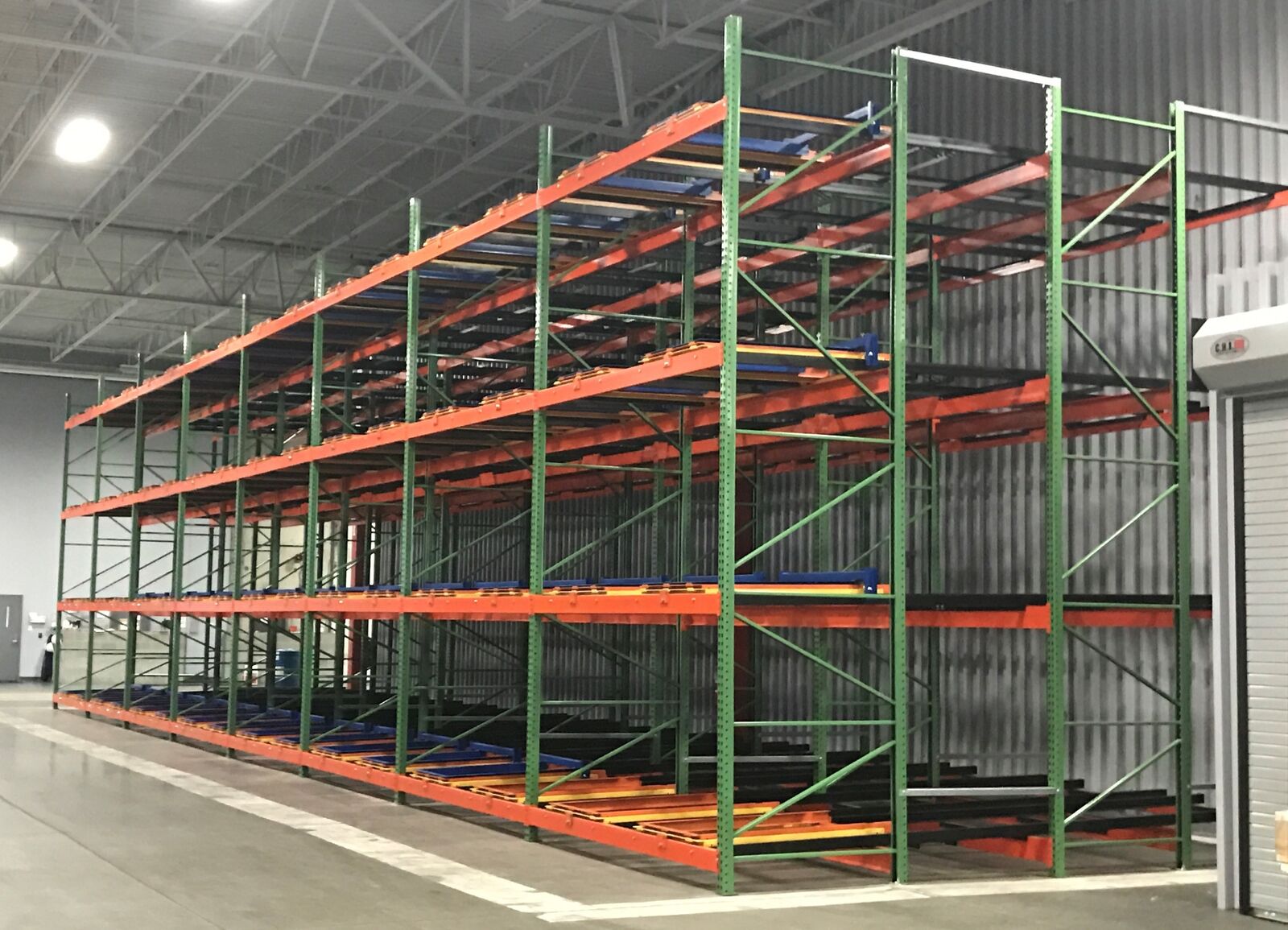
Pushback Rack
Two to six pallets deep from one aisle, without giving up much reach.
View details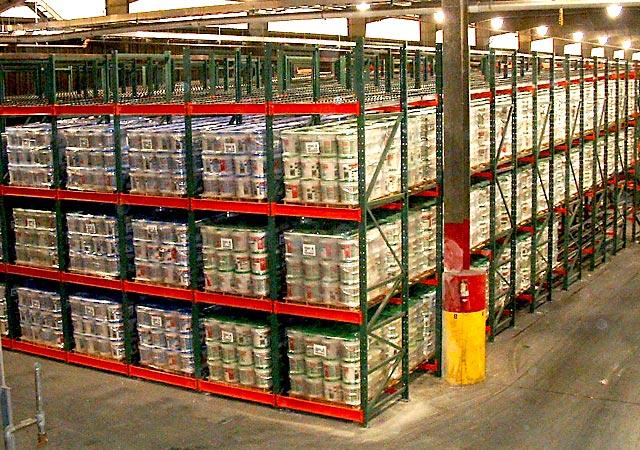
Pallet Flow Rack
Load one side, pick the other, and let gravity enforce first in, first out.
View details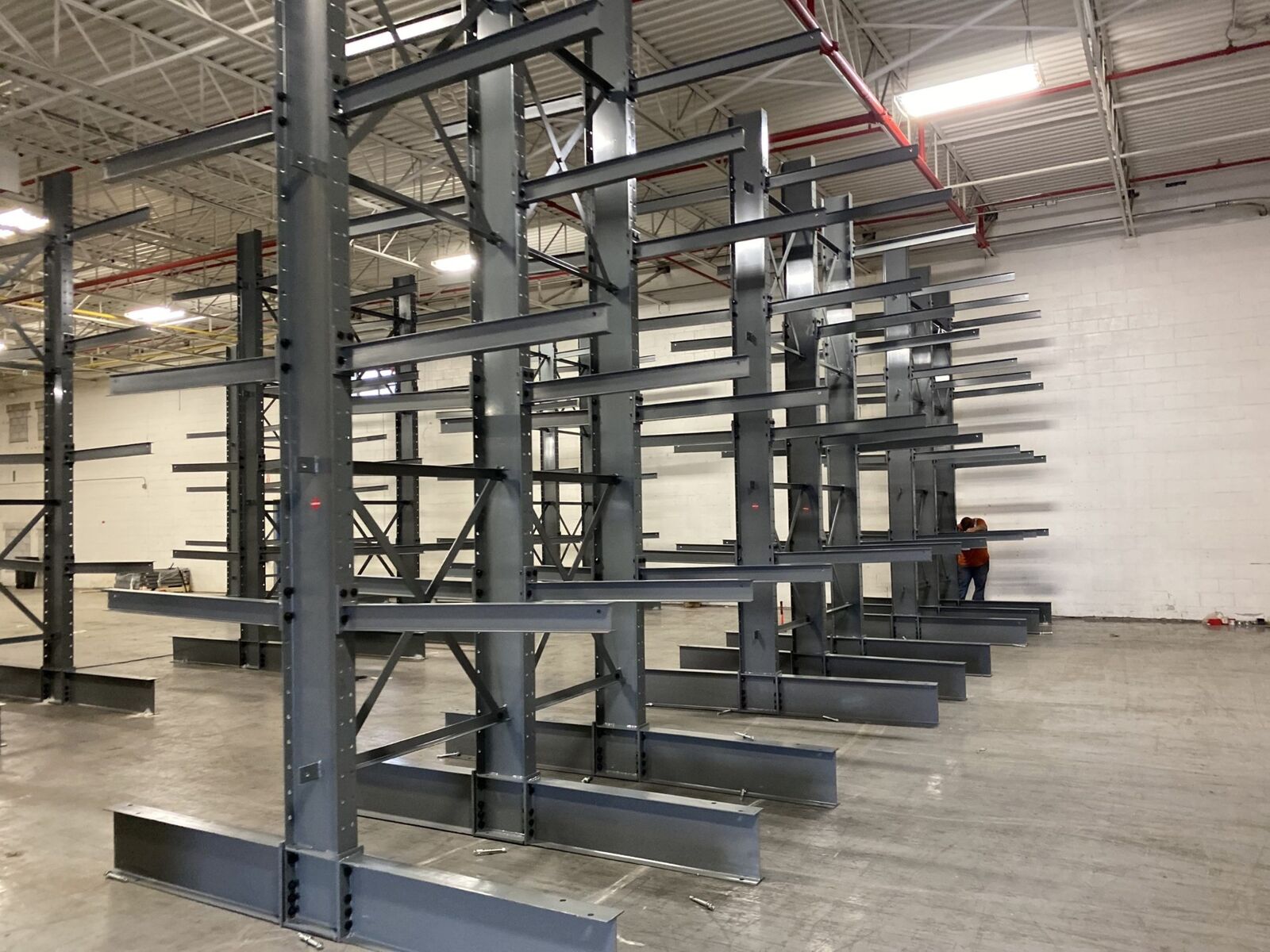
Cantilever Rack
Arms with nothing in front of them, built for lumber, pipe, and anything a pallet can't hold.
View details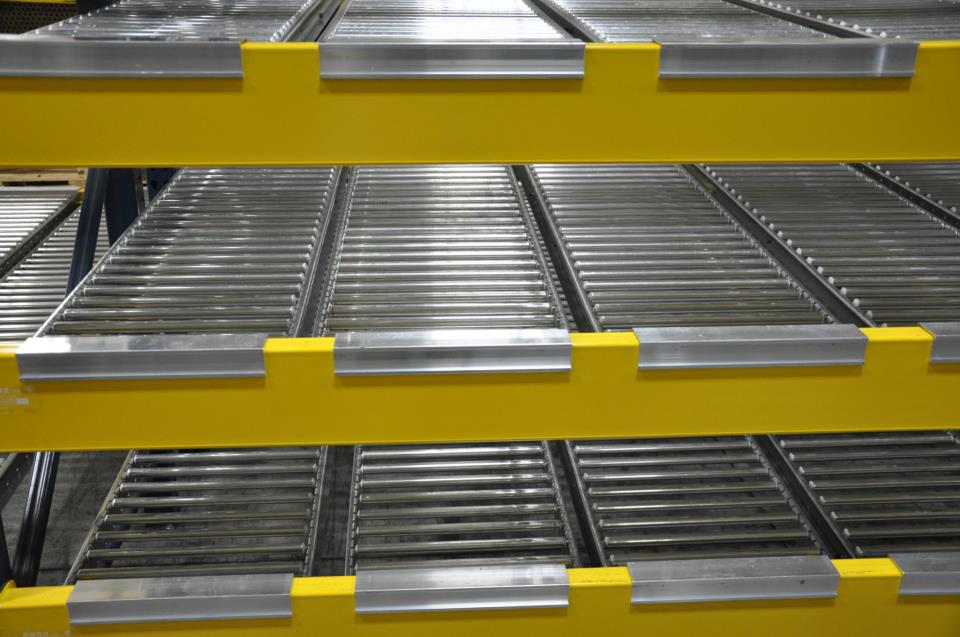
Carton Flow Rack
Cases advance to the picker instead of the picker hunting for cases.
View details
Warehouse Relocation
Tear down, label, transfer and reinstall warehouse rack with a plan for the next building.
View detailsNearby Areas We Also Serve
Our delivery and installation territory covers West Michigan, so one team can handle multiple buildings for the same company.
Where We Work
Located in Grand Rapids, we serve the entire West Michigan market with industrial pallet racks and warehouse storage solutions.
Grand Rapids Pallet Rack
Address
5355 Northland Dr. NE
Ste C #3102
Grand Rapids, MI 49525
Phone
(616) 344-5683Business Hours
Monday - Friday: 8:00 AM - 6:00 PM
Saturday: Closed
Sunday: Closed
Need Drive-In Rack in Ada?
Call (616) 344-5683 or request a quote and we will get a layout started.